
Advisory Board
The Nexus Points Doc Scientific Advisory Board comprises leading academics and policy experts who provide crucial oversight on our research design, methodology, and ethical standards.
Role of the Board
Methodological Rigor
Reviewing and validating the integrity of our research design and data collection processes.
Ethical Oversight
Ensuring all documentation adheres to the highest ethical and survivor-centered standards, particularly in sensitive issues involving gender and vulnerable communities.
Policy Alignment
Guiding the translation of empirical findings into actionable and evidence-based policy recommendations for national and international stakeholders.
Scholarly Outreach
Connecting Nexus Points Doc to wider academic and research networks globally.
Board Members
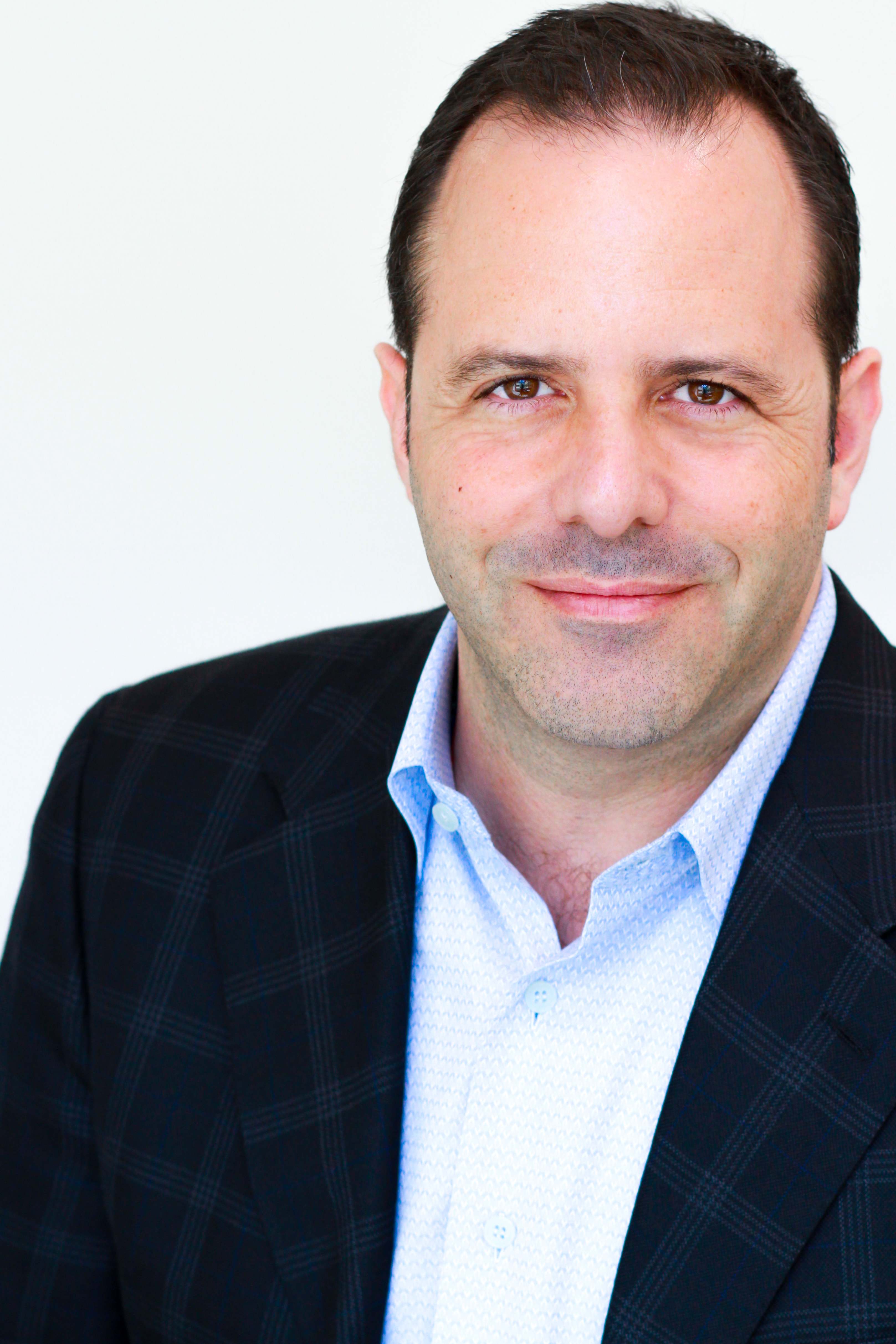
Nova Spivack
CEO & Co-Founder of Mindcorp.ai | Chairman of the Arch Mission Foundation
Nova Spivack is a prolific inventor, computer scientist, and noted futurist with over two decades of industry-leading breakthroughs. As the CEO of Mindcorp.ai, he leads an enterprise superintelligence company focused on the next evolution of research and strategy for Fortune 1000 customers. A pioneer of the early Web, Spivack helped build foundational ventures including EarthWeb, Klout, and the SRI venture incubator that launched Siri.
Beyond his work in AI, Spivack is a prominent figure in the space sector. In 1999, he flew to the edge of space as one of the world's first space tourists. Today, he leads the Arch Mission Foundation, a non-profit dedicated to "backing up planet Earth." This global initiative has successfully landed the Lunar Library on the Moon—a 30-million-page archive of human knowledge etched onto nickel plates designed to last billions of years.
His intellectual pursuits extend into the cutting edges of Information Physics and Consciousness Studies, where he has authored theoretical frameworks exploring the computable nature of reality. The grandson of management guru Peter Drucker, Spivack continues to advise governments, global corporations, and humanitarian projects on applying transformative technology to improve the human condition.

Mark S. Ashton, Ph.D.
Senior Associate Dean of The Forest School at Yale University
Mark S. Ashton is the Morris K. Jessup Professor of Silviculture and Forest Ecology and serves as the Director of the Yale Forests. With over thirty-five years of research experience, he is a global authority on the biological and physical processes governing natural forest dynamics and ecosystem restoration.
Professor Ashton has authored over 160 peer-reviewed journal papers and the primary silviculture textbook used throughout North America. His extensive work spans watershed management, climate mitigation, and land conservation. He has been recognized with numerous prestigious honors, including the UNESCO Sultan Qaboos Award for forest conservation.

Veronica Strang, FAcSS
Environmental Anthropologist & Affiliated Scholar at Oxford University
Professor Veronica Strang is a world-renowned environmental anthropologist whose work focuses on the complex relationships between human societies and water. For over 30 years, she has conducted ethnographic research across the UK, Australia, and New Zealand, providing critical insights into how cultural beliefs shape environmental sustainability. She is currently affiliated with the University of Oxford's School of Anthropology and Museum Ethnography and has previously served as the Executive Director of Durham University's Institute of Advanced Study.
Professor Strang's expertise extends to international policy and rights, having consulted for UNESCO, the UN, and the World Bank on indigenous land and water rights. Her 2023 book, Water Beings: from nature worship to the environmental crisis, serves as a foundational text for understanding the spiritual and political dimensions of water. At Nexus Points Doc, she guides our interdisciplinary approach to river governance and the cultural documentation of water-dependent communities.

AbdouMaliq Simone, Ph.D.
Senior Professorial Fellow at the Urban Institute, University of Sheffield
AbdouMaliq Simone is a world-renowned urbanist and social-clinical psychologist whose research explores the (non)human life in an era of extensive urbanization. With over three decades of field experience across African and Southeast Asian cities, he is a global authority on infrastructural imaginaries and the politics of urban popular economies. He serves as the Co-Director of the Beyond Inhabitation Lab at the Polytechnic University of Turin and has held senior positions at the Max Planck Institute.
Professor Simone has authored numerous seminal books, including The Surrounds: Urban Life Within and Beyond Capture and Improvised Lives: Rhythms of Endurance for an Urban South. His extensive work spans spatial composition, collective affect, and the production of everyday life for urban majorities in the Global South. He has been a pivotal voice in designing collaborative partnerships among technicians, residents, and policymakers to remake municipal systems.
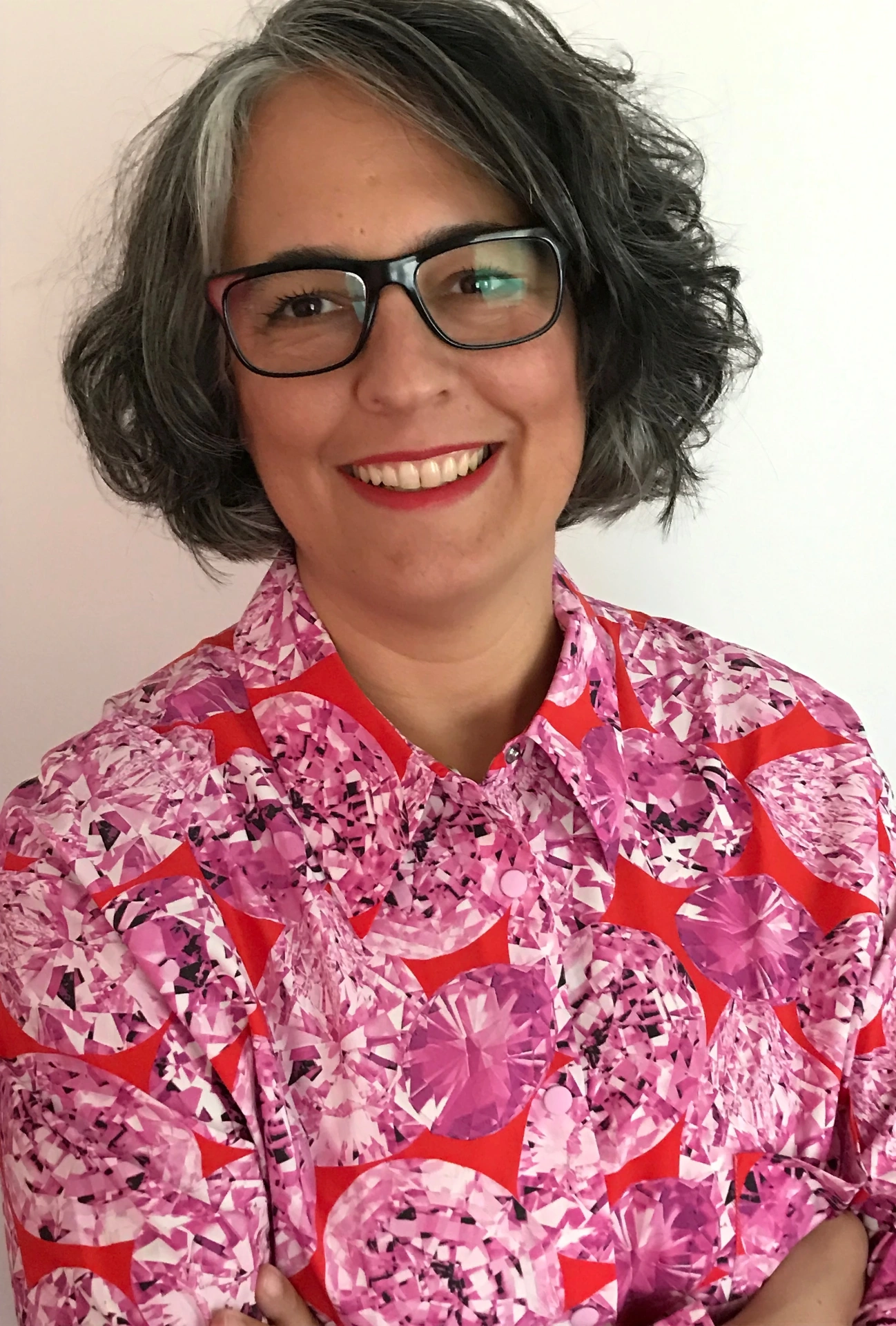
Andrea Ballestero, Ph.D.
Associate Professor of Anthropology at USC | Founder & Director, The Ethnography Studio
Andrea Ballestero is an anthropologist working at the fused boundaries of legal and political anthropology, science and technology studies (STS), and the social studies of finance and economics. Her research traces the unexpected ethical and technical entanglements through which experts, regulators, and everyday citizens understand and govern water in Latin America.
Her first book, A Future History of Water (Duke University Press, 2019), explores how the distinction between a human right and a commodity is negotiated within governance spaces in Costa Rica and Brazil. Rather than looking at these categories as abstract ideals, she analyzes the technolegal devices, formulas, and numeric percentages that embody moral distinctions and shape how societies inhabit generative futures.
Currently, Ballestero leads the NSF-supported project "Expanding the Social World Downwards," which investigates how subterranean spaces and aquifers are being re-discovered through remote sensing and legal technologies in the Anthropocene. Since 2011, she has also directed The Ethnography Studio, an interdisciplinary space dedicated to experimental ethnographic praxis, collaborative analysis, and creative textual forms.
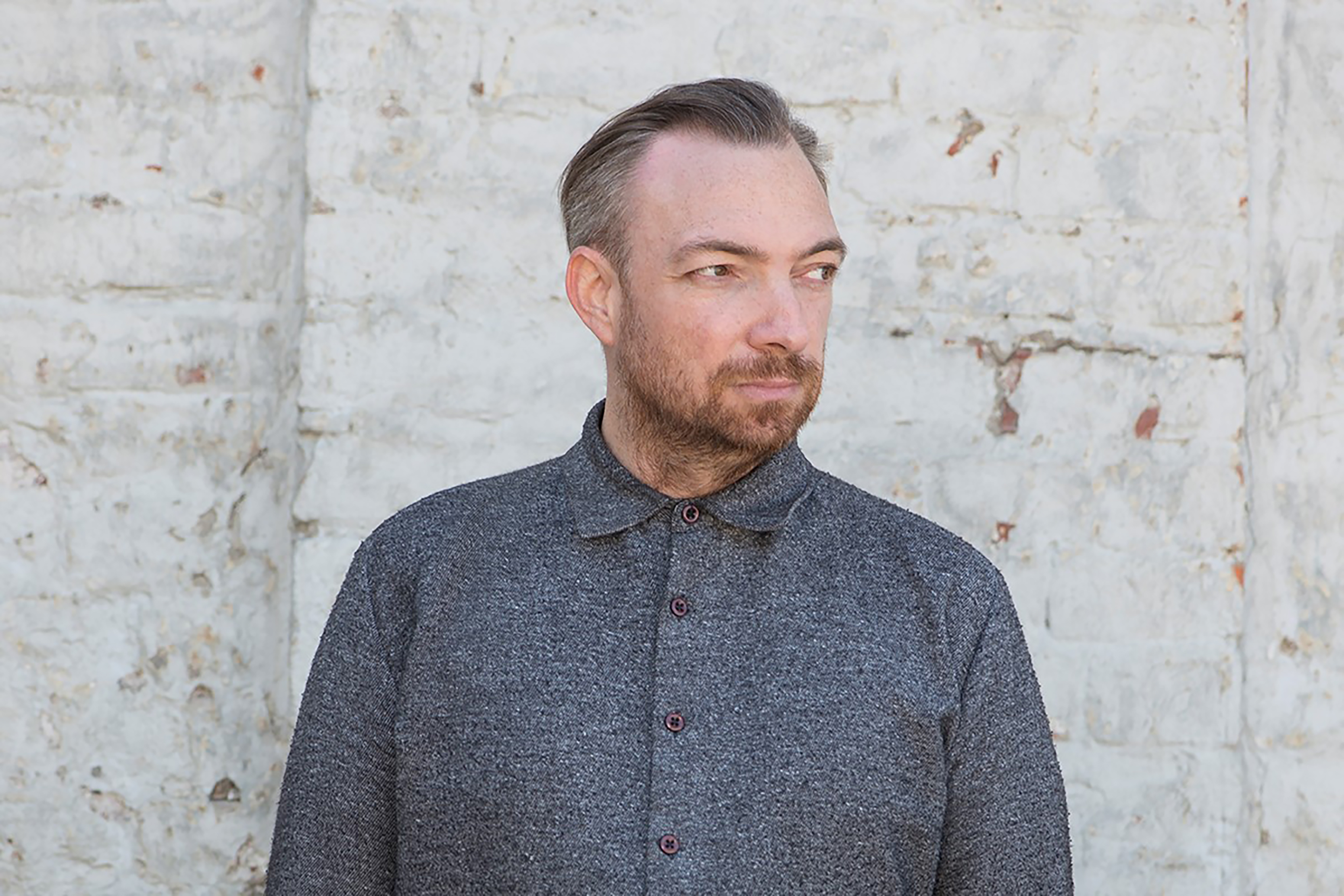
Liam Young
Designer, Director & BAFTA-Nominated Producer
Liam Young is a designer, director, and BAFTA-nominated producer who operates in the spaces between design, fiction, and futures. Described by the BBC as "the man designing our futures," his visionary films and speculative landscapes act as rehearsals for the world to come—spaces capable of holding both our wildest aspirations and our most unsettling truths. His work has been collected by prestigious institutions such as MoMA, the Smithsonian, and the Victoria & Albert Museum.
As a worldbuilder, Young visualizes the cities and spaces of our imaginary futures for the film and television industry. He wrote, designed, and directed the sci-fi film "Planet City," which premiered at Tribeca in 2022 and is the subject of his TED Talk, viewed by millions. Beyond entertainment, Young is one of the world's foremost futurists, consulting on next-generation technologies for clients like NASA JPL, Google, Nike, and Microsoft. He currently leads the groundbreaking Masters in Fiction and Entertainment at SCI-Arc in Los Angeles.
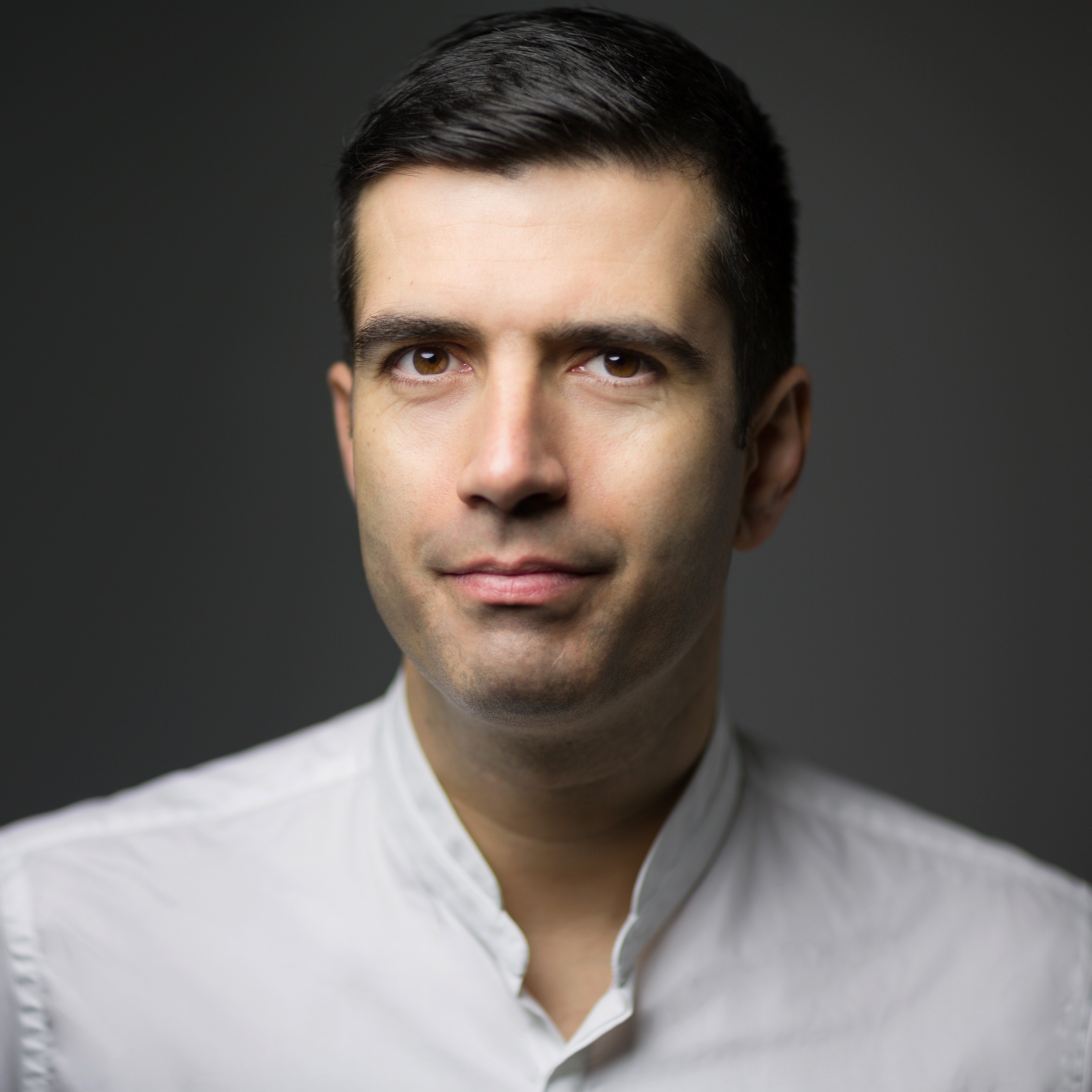
Christo Buschek
Pulitzer Prize-winning Software Developer & Investigative Journalist
Christo Buschek is a Pulitzer Prize-winning independent software developer and investigative journalist. He develops tools and methods for data-driven investigations, focusing on collecting and producing data that enables high-impact reporting. His work bridges the gap between information technology and human rights, providing the technical backbone for complex international investigations.
One of Buschek's notable contributions is Sugarcube, an open-source software that has played a crucial role in preserving documentation of war crimes in Syria. In collaboration with Alison Killing and Megha Rajagopalan, he published the investigation "Built to Last," which exposed the extensive detention infrastructure in Xinjiang, China, recognized with the Pulitzer Prize for International Reporting in 2021. He is currently a 2025 Senior Fellow at Mozilla and continues his investigative work at Der SPIEGEL.
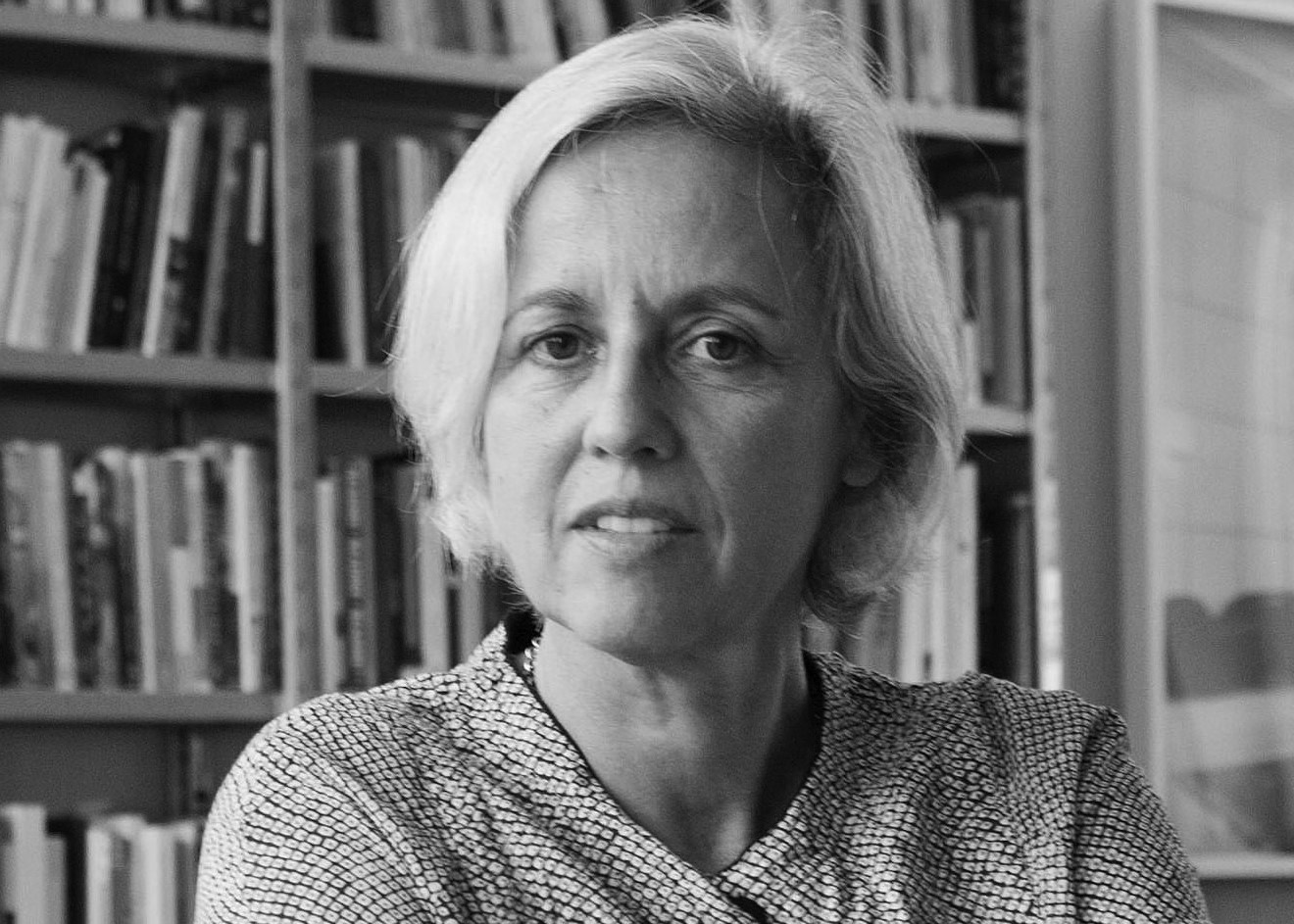
Ursula Biemann
Media Artist, Author, and Video Essayist
Ursula Biemann is a Zurich-based artist and theorist whose research-oriented practice involves extensive fieldwork in remote locations, from Greenland to Amazonia. She investigates the complex ecologies of oil, ice, forests, and water, interweaving vast cinematic landscapes with documentary footage, science-fiction poetry, and academic findings to narrate a changing planetary reality.
Her work has transitioned from the gendered dimensions of migration to a profound engagement with natural resources and multispecies communication. Projects like Forest Law (2014) and Acoustic Ocean (2018) have amplified global discussions around ecology and videographic world-making. Between 2018 and 2023, she co-led a major commission to establish an Indigenous University in Colombia, focusing on forest epistemologies and ancestral knowledge systems.
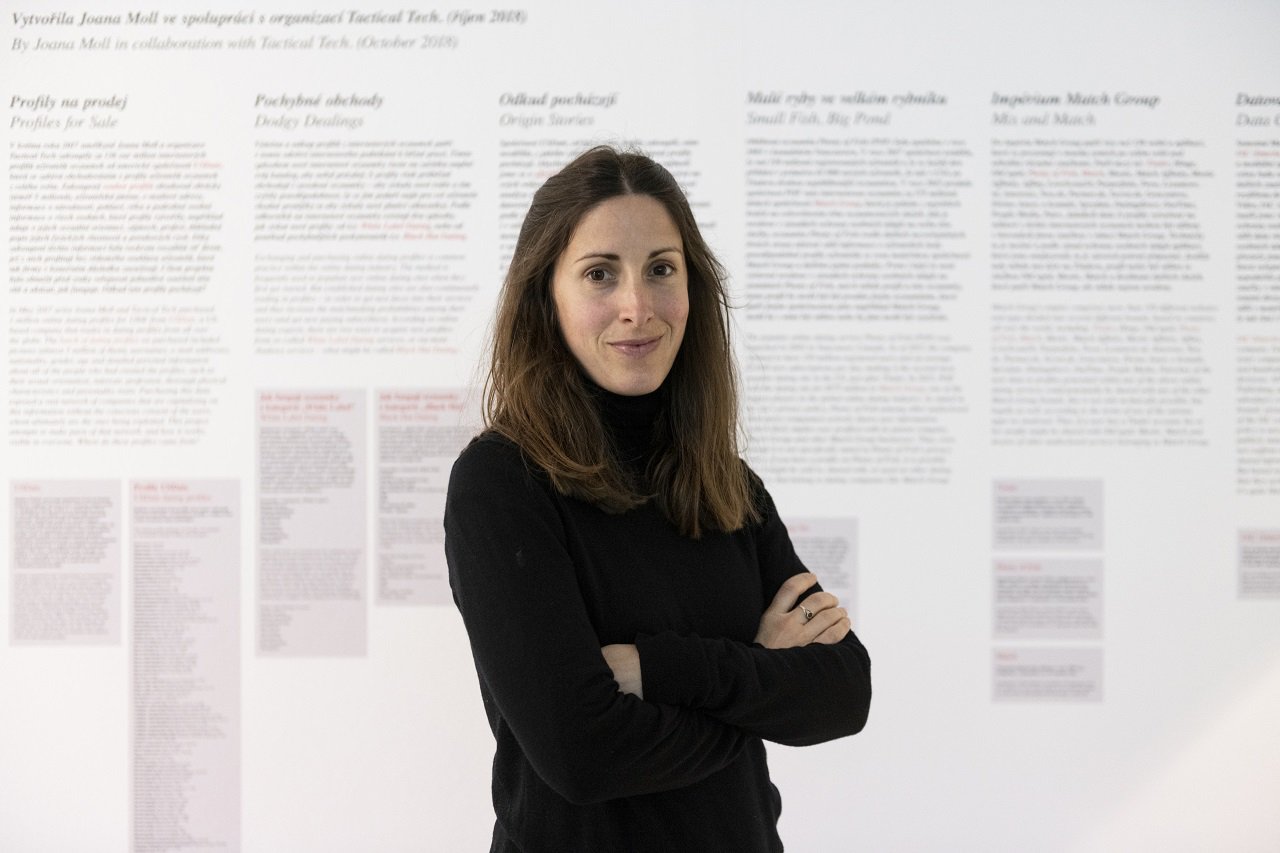
Joana Moll
Artist, Researcher & Professor of Networks at KHM Cologne
Joana Moll is a Barcelona and Berlin-based artist and researcher whose work critically explores how techno-capitalist narratives affect the alphabetization of machines, humans, and ecosystems. Her practice is deeply rooted in investigating the hidden layers of the digital age—moving beyond the interface to reveal the physical and political structures that govern our online lives.
Her research focuses on data materiality, exposing the environmental and physical costs of data production; surveillance, analyzing the pervasive tracking of digital citizens; and the increasing militarization of civil society through digital media. As the co-founder of the Critical Interface Politics Research Group at HANGAR (Barcelona), she has collaborated with major organizations such as the Mozilla Foundation and the Barcelona Supercomputing Center. Her work has been exhibited at the Venice Biennale, Art Basel, and ZKM, and featured in The New York Times, Wired, and The Financial Times. She currently serves as a Professor for Networks in the Art Department at the Academy of Media Arts Cologne (KHM).
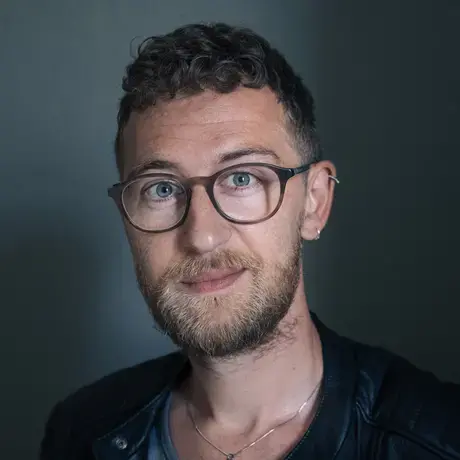
Bradley Secker
Photojournalist & National Geographic Explorer
Bradley Secker is a British freelance photojournalist based in Istanbul, Turkey, whose work explores the intersection of identity, migration, and the repercussions of socio-political decisions. Moving beyond traditional photojournalism, he utilizes conceptual approaches to visualize complex issues, aiming for stories with lasting audience resonance.
A core focus of Secker's work is the concept of "home"—its loss, the search for it, and the formation of new identities. As a National Geographic Explorer, he has received support for multiple long-term projects since 2018. His seminal body of work, Kütmaan (begun in 2010), documents the lives of LGBTI asylum seekers and refugees from the Middle East, leading to Gayropa, the first long-form visual documentation of queer migration across Europe. With over two decades of experience, Secker regularly covers feature stories and portrait assignments across the Middle East, the Balkans, and Europe.

Cosku Celik, Ph.D.
Assistant Professor & Vice Dean, Faculty of Economics, Administrative and Social Sciences, Kadir Has University. Advisory Board Member, Journal of Agrarian Change.
Dr. Celik is an expert in Feminist Political Economy, Rural Development, and Extractivism. Her work provides critical analysis of public policy, social care, and labor studies, focusing on how large-scale economic and environmental shifts impact gender justice and rural communities.

Sarah Pink
ARC Laureate Professor and Director, Emerging Technologies Research Lab, Monash University
Sarah Pink is an award-winning design and futures anthropologist, documentary filmmaker, and an internationally recognized leader in the study of emerging technologies. Her interdisciplinary work investigates the intersection of human experience with digital and net-zero transitions, bridging art, design, and information technology to provide fresh perspectives on how human-centric futures shape global technological shifts.

Leila M. Harris, Ph.D.
Professor at the University of British Columbia | Co-Director, Program on Water Governance
Leila M. Harris is a socio-cultural and political geographer whose work explores the intersection of environmental issues, inequality, and politics. As a Professor at UBC's Institute for Resources, Environment and Sustainability (IRES), she specializes in political ecology and nature-society studies. Professor Harris is a global authority on water governance, with a specific focus on the social, cultural, and equity dimensions of water insecurity and resource management.
Professor Harris brings over two decades of research experience in contemporary Turkey, specifically investigating water politics and state-led development in the Tigris-Euphrates basin. Her work at Nexus Points Doc provides a critical lens for the "River Remains" project, linking everyday water access and narratives of inequality with larger institutional shifts. Her expertise in non-material dimensions of water insecurity—such as trust, legitimacy, and emotions—guides our "Truth-Infrastructure" in understanding the lived realities of communities in industrial river basins worldwide.

Esin Paca Cengiz, Ph.D.
Head of Radio, Television, and Cinema Department at Kadir Has University
Dr. Esin Paca Cengiz is a scholar and filmmaker specializing in the intersection of cinema, memory, and gender studies. She currently serves as the Chair of the Radio, Television, and Cinema Department at Kadir Has University. With a Ph.D. from the University of London and professional training from the Prague Film School, she brings a unique blend of rigorous academic theory and practical filmmaking expertise to Nexus Points Doc.
Her extensive research focuses on historical film forms, trauma, and the representation of "invisible labor." She is currently the Principal Investigator of a major TUBITAK-funded project investigating the invisible labor of women in the Turkish film industry. Her insights into how narratives shape public memory are instrumental in guiding the documentary methodology of Nexus Points Doc.

Akgün İlhan, Ph.D.
Lecturer at Boğaziçi University & Environmental Scientist
Akgün İlhan is an environmental scientist and a leading expert in water policy and climate change adaptation. She holds a PhD in Environmental Science from the Universitat Autònoma de Barcelona (ICTA-UAB) and has extensive research experience in EU-funded sustainability projects. As a lecturer at Boğaziçi University and the author of Towards Water Policy: Water Management, Alternatives and Proposals (2011), her work bridges the gap between academic theory and public advocacy.
She is also a prominent environmental communicator, producing the long-running radio program Sudan Gelen on Açık Radyo. Her recent research focuses on Urban Water Demand Management (WDM), comparing climate adaptation strategies in Istanbul and Berlin to promote sustainable, closed-loop water cycles.

Susan Schuppli, Ph.D.
Professor and Director of the Centre for Research Architecture, Goldsmiths University of London
Susan Schuppli is an artist-researcher and Fellow at the Forensic Architecture human rights agency. Her fieldwork and documentary film practice is situated at the intersections between environmental struggles, climate science, and affected communities with a specific focus on the cryosphere. Investigations span legal analysis and public advocacy as well as theoretical reflection and creative exploration in order to understand how environmental transformations are generating new forms of evidence. Schuppli is author of Cold Cases (forthcoming) and Material Witness (MIT Press, 2020) and is PI on Forensic Architecture investigations in Canada and Namibia focused on mapping Indigenous presence and supporting resistance to proposed green energy developments.

Nazli Ozkan, Ph.D.
Assistant Professor, Department of Media and Visual Arts, Koc University
Dr. Nazli Ozkan is a media anthropologist specializing in the intersection of digital media, journalistic authority, and the politics of visibility. She earned her Ph.D. in Cultural Anthropology from Northwestern University and was a Marie Sklodowska-Curie Actions Widening Fellow. Her scholarship critically examines how media infrastructures, ethical reflexivity, and digital affordances shape public discourse and marginalized identities within Turkey's complex media landscape. Providing a crucial interdisciplinary bridge between cultural anthropology and visual advocacy, Dr. Ozkan's work focuses on the deep-rooted dynamics of gendered labor and social representation. Her research offers a rigorous theoretical framework for ensuring that the documentation of socio-economic transitions remains grounded in ethnographic theory and ethical representation. Throughout her career, she has been supported by prestigious institutions such as Fulbright and Wenner-Gren, and she continues to publish extensively on media ethics and new media studies in international peer-reviewed journals.

Ethemcan Turhan, Ph.D.
Assistant Professor of Environmental Planning, University of Groningen
Dr. Ethemcan Turhan is an environmental social scientist and assistant professor of environmental planning at the University of Groningen, Faculty of Spatial Sciences. His work sits at the intersection of political ecology, climate justice, and energy democracy, with a specific focus on environmental conflicts and social movements in Turkey and the Mediterranean.
Prior to his current role, he served as a postdoctoral researcher at the KTH Royal Institute of Technology in Stockholm (2016-2020) and held the prestigious Mercator-IPC Fellowship at Istanbul Policy Center. His academic contributions have been published in leading journals, including Nature Climate Change, Global Environmental Change, and Ecological Economics.

Erman Ermihan, Ph.D.
Postdoctoral Researcher, Bilkent University
Erman Ermihan is currently a postdoctoral researcher at Bilkent University. Ermihan completed his doctorate in the Department of International Relations at Kadir Has University in 2025, after receiving his bachelor's degree in the same department at Istanbul Bilgi University and his master's degree in Political Science at Sabanci University. His research and areas of interest include Turkey-European Union relations, Turkish foreign policy, ontological security, and identity and emotions in foreign policy. His publications have been featured in journals such as the Journal of European Integration, Turkish Studies, All Azimuth, and International Relations.

Hakki Kaan Simsek
Head of Data at LUCA AI / PhD Candidate, Koc University
Hakki Kaan Simsek specializes in building high-scale data architectures and AI-driven analytics systems. He focuses on the technical scalability of complex "truth-infrastructures," applying data engineering rigor to bridge the gap between large-scale datasets and high-fidelity evidence. His technical expertise includes optimizing global pipelines and developing advanced LLM architectures.

Nurgul Akmanoglu, Ph.D.
Professor, Anadolu University, Research Institute for the Handicapped
Dr. Akmanoglu is a specialist in the field of Autism Spectrum Disorder (ASD) and Developmental Disabilities (DD). Her areas of expertise include education for individuals with ASD and DD, Applied Behavior Analysis (ABA), and Evidence-Based Practices (EBP). In addition, she conducts work focused on sexuality education for individuals with ASD and DD, as well as the prevention of abuse. Along with her publications in the field of ASD and her participation in scientific conferences, she has also received various trainings in developmental assessment tools (e.g., Denver II Developmental Screening Test, the Gazi Early Childhood Development Assessment Tool (GECDA), and the Gilliam Autism Rating Scale).

Aysen Eren, Ph.D.
Independent Researcher
Dr. Eren is an environmental social scientist with a background in engineering. Her aim is to utilize her knowledge and expertise on socio-technical and technological systems to understand human-nature issues.
Her current research interests include river basin development, energy infrastructures, environmental justice, and environmental governance. Her research approach is interdisciplinary, combining perspectives and methodologies from environmental sciences, social sciences, and political ecology.
Dr. Eren is committed to improving public understanding of environmental issues. She has been writing on sustainable living since 2007. Her articles published in various newspapers and journals are available online at her blog. Her book, Vadinin Donusumu, sheds light on the ongoing debates in the field of sustainable development and renewable energy.