
Nexus Catalyst
Dialogues at the Frontier of Ecology, Justice & Visual Research
"Knowledge should no longer remain confined within ivory towers, dusty archives, or closed academic circles. Nexus Catalyst is a bridge designed to move theory out of abstract philosophy halls and into the heart of field action. This series connects the brightest minds from prestigious global research networks and intellectual hubs with tomorrow's 'Sentinel' candidates. Our goal is to merge rigorous interdisciplinary depth with the digital energy of young researchers, building a resilient 'Truth-Infrastructure' in the face of 'Data Silence.' Every dialogue featured here is more than an interview; it is a mental 'catalyst' designed to construct ecological and social justice."
Volume 1
Ursula Biemann | Decolonizing the Earth
We launch this series with Ursula Biemann, a visionary artist and researcher who transforms visuals into a tool for resistance and forensic investigation. Ursula explains that complex ecological crises are not just to be "watched," but "read" through digital layers, and highlights why the youth must become active "Sentinels" of our planet.
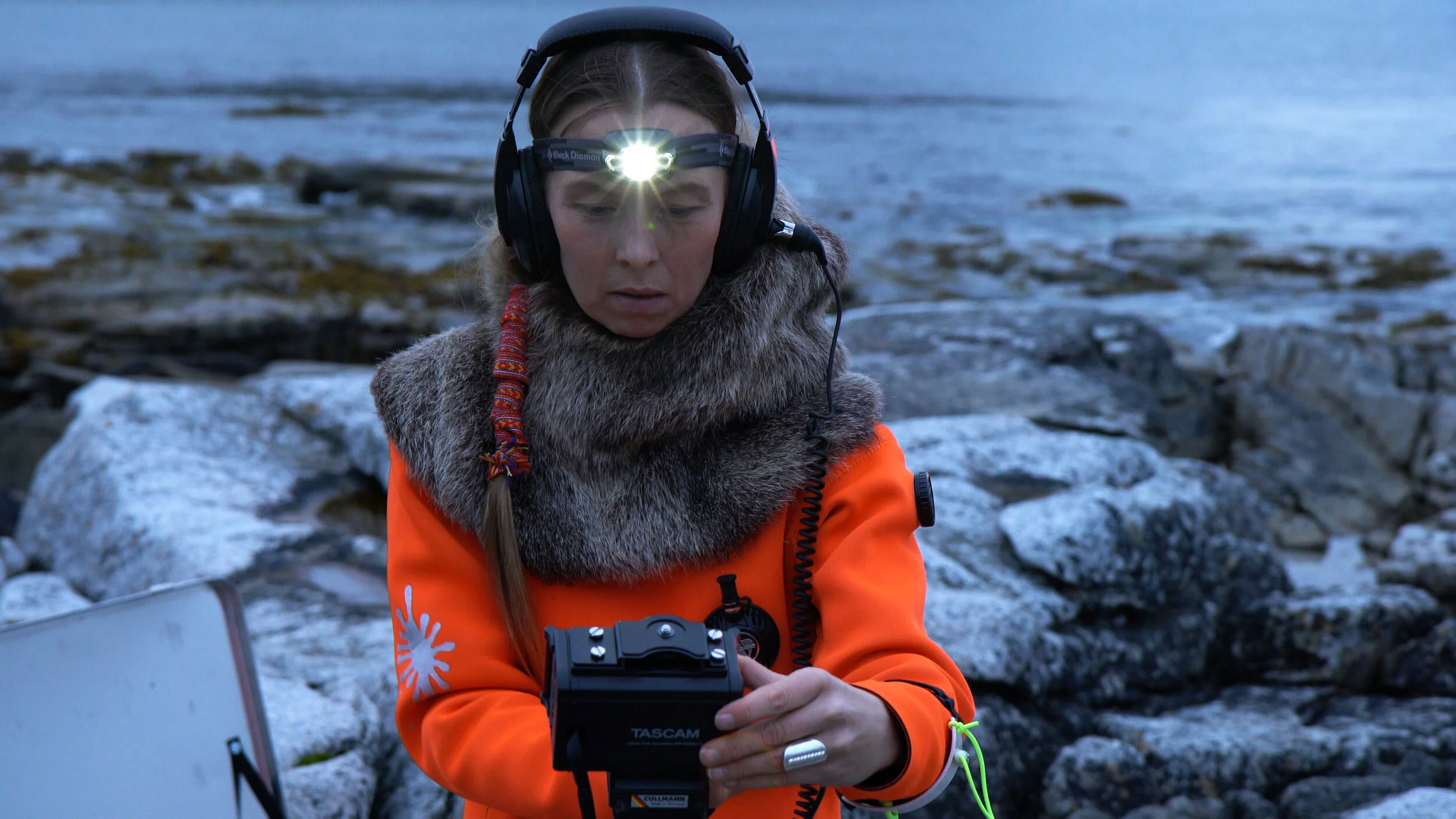
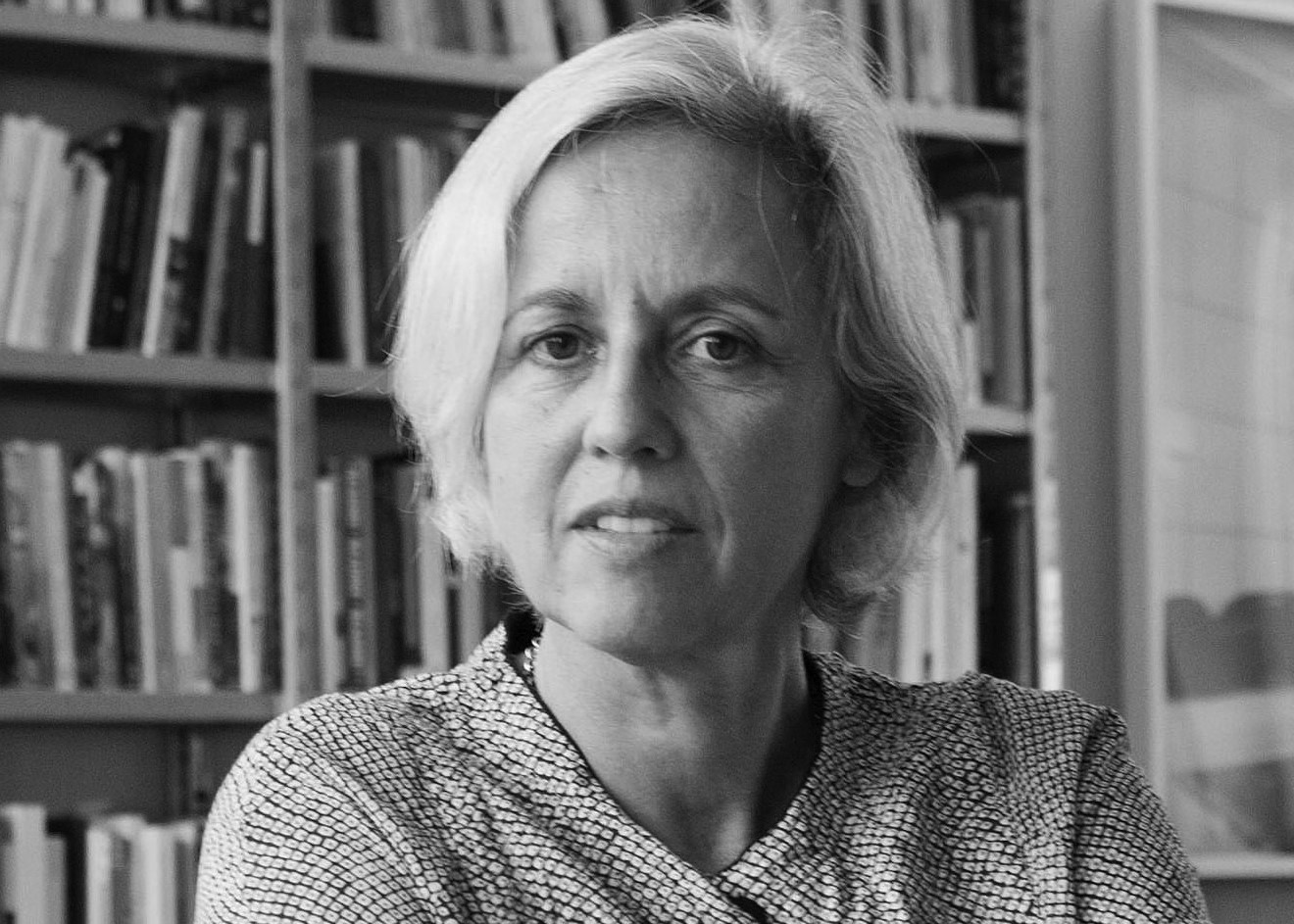
Ursula Biemann
Swiss video artist, writer, and curator (b. 1955, Zurich)
Ursula Biemann is a Swiss video artist, writer, and curator whose work is widely recognized for combining artistic practice with research on global social and environmental issues. She studied at the School of Visual Arts in New York and later participated in the Whitney Independent Study Program. Since the late 1980s, Biemann has produced video essays and multimedia installations that explore topics such as migration, borders, natural resources, and ecological systems. Her projects often emerge from field research conducted in different parts of the world and bring together documentary footage, scientific knowledge, and critical reflection.
Looking back at your career, was there a decisive turning point that led you to focus on research-based video rather than more traditional artistic mediums? And why video specifically?
In the very beginning, my work was more focused on combinations of photography and text. Later, I worked with 16mm film on the U.S.-Mexico border. But when I started working with video in 1998, it changed everything. I discovered it once and never looked back; it was my perfect medium.
For me, research-oriented work is the most important part of why I consider myself an artist. Video became the mediator—a tool to discover the world rather than just making images of it. It sits between myself, the life questions I have, and the people I meet. The "raw material" of these encounters is what fuels my work.
What were you feeling when you recorded your first professional video?
At the time, I didn't have a model for the kind of video I wanted to make because I didn't think anything like it existed yet. I came back from the Mexican border with a massive amount of raw material and interviews. It took me an entire year to edit that material into a construct I felt was interesting.
I didn't want to make a classic "labor film." As an artist, I've always been interested in theoretical issues. I wanted to combine my encounters on the ground with my theoretical reflections. Out of this combination, I constructed what people later called the "video essay," though I wasn't aware the term existed at the time. I was just experimenting.
In works like Deep Weather, you connect geographically distant events into one systemic narrative. How do you approach representing such global complexity in video without oversimplifying it?
In the beginning, simplification wasn't the main concern because the public wasn't as aware of climate change; it wasn't at the forefront of the "crisis" conversation yet.
I originally went to Bangladesh to document water issues. I saw communities on the outer rim of the delta protecting their villages against the rising sea—an obvious sign of climate change prevention. A year later, I was invited to the Tar Sands in Alberta, Canada. I hadn't planned the connection, but I suddenly understood that these two sides were linked. Combining them in one short video became a statement: whatever happens in Alberta has direct consequences on the other side of the planet.