
Nexus Catalyst
Making the Invisible Visible — On Documentary Photography, Power, and Evidence
"Knowledge should no longer remain confined within ivory towers, dusty archives, or closed academic circles. Nexus Catalyst is a bridge designed to move theory out of abstract philosophy halls and into the heart of field action. This series connects the brightest minds from prestigious global research networks and intellectual hubs with tomorrow's 'Sentinel' candidates. Our goal is to merge rigorous interdisciplinary depth with the digital energy of young researchers, building a resilient 'Truth-Infrastructure' in the face of 'Data Silence.' Every dialogue featured here is more than an interview; it is a mental 'catalyst' designed to construct ecological and social justice."
Volume 3
Paolo Woods | Making the Invisible Visible
On documentary photography, power, and evidence — a conversation with Paolo Woods on photographing systems that resist visualization: tax havens, pharmaceutical capitalism, Chinese expansion in Africa, and state collapse in Haiti.
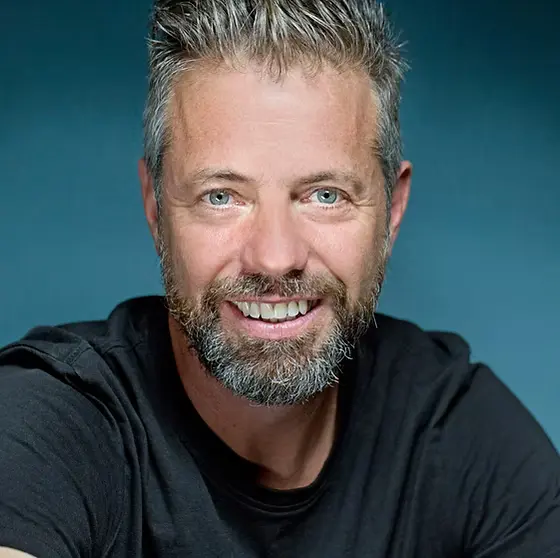
Paolo Woods
Documentary photographer and author, based in Florence
Paolo Woods is a documentary photographer and author based in Florence. Born in The Hague to Dutch and Canadian parents, he grew up in Italy and has lived and worked across four continents. His work blends long-form photography with investigative research — tackling subjects that resist easy visualization: tax havens, pharmaceutical capitalism, Chinese expansion in Africa, state collapse in Haiti. He has published eight books, received two World Press Photo awards, and his exhibitions have toured worldwide. He is co-founder of RIVERBOOM, a collective exploring the limits of photographic language.
What was the most challenging yet most formative project in your career?
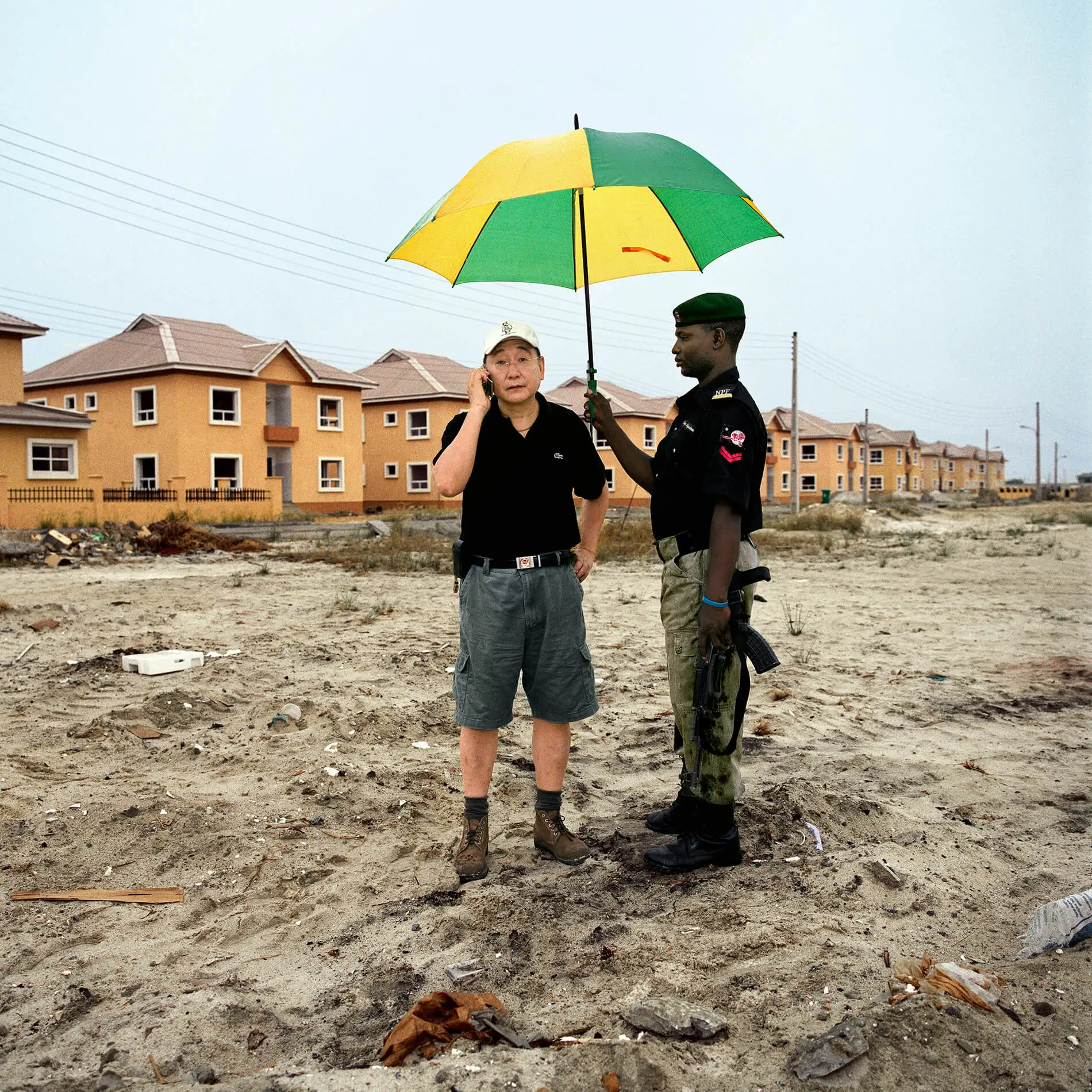
Every project I undertake becomes more challenging than the previous one. My goal has been to photograph what is not easily photographable or even photogenic. The first project where this approach truly crystallized was China Africa. After working as a war photographer in places like Iraq and Afghanistan—subjects that are unfortunately very photogenic—I shifted toward something far less visually obvious and much harder to access. That project defined my direction, and all subsequent work, including The Heavens and Happy Pills, followed this path.
Do you think that in today's world, the fact that some things are deliberately kept "invisible" makes photography even more important?
Yes, many systems today are intentionally complex and opaque by design—tax havens are a clear example. Photography is a simple and direct language, which makes it powerful when dealing with complex issues. Its importance today lies in its ability to translate complicated systems into something understandable for a broader audience. Projects like The Heavens aim to make people aware of how such systems affect their lives, even if they don't fully understand them.
How did your State project in Haiti change your perspective on the concepts of the state and power?
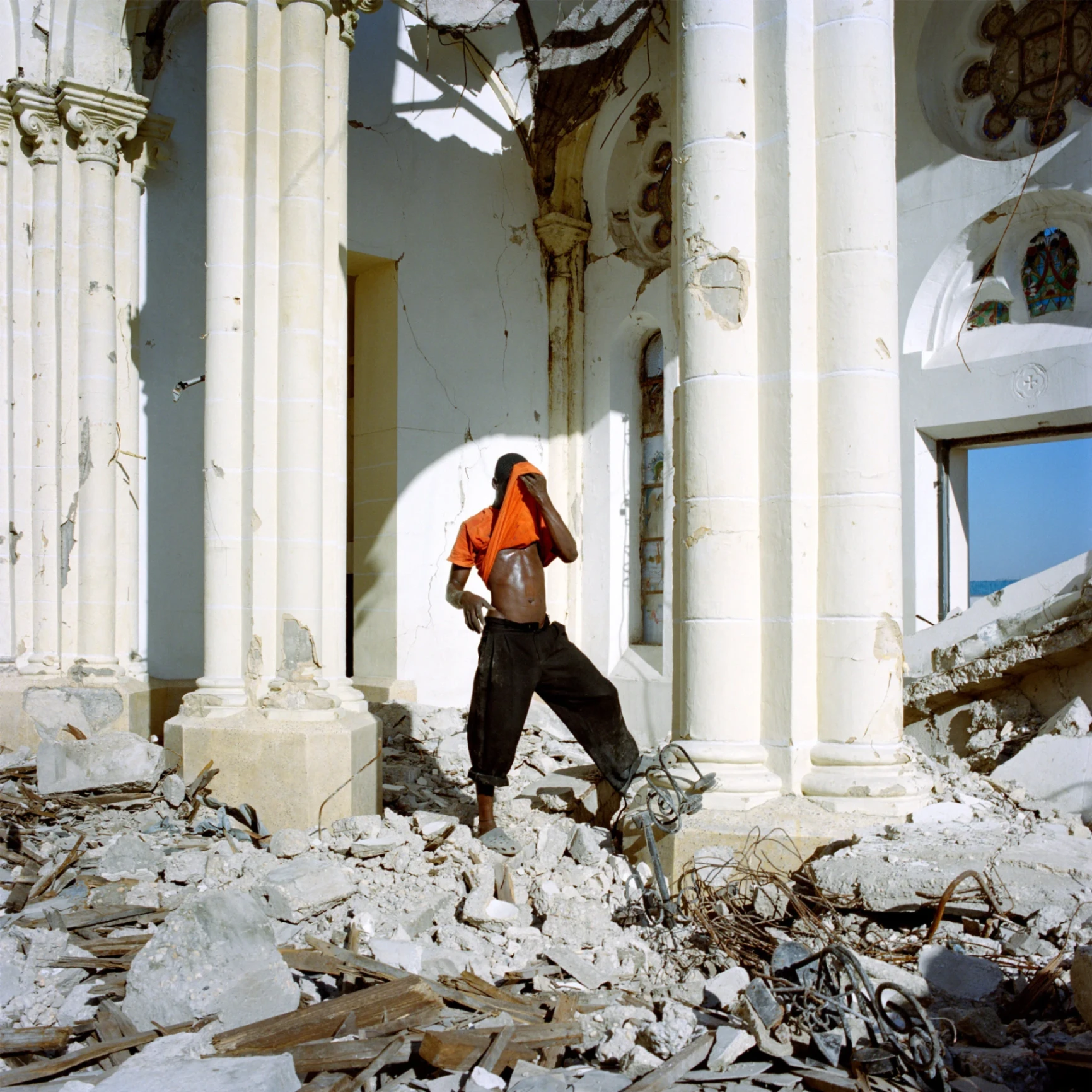
Living in Haiti for four years changed my entire perspective. Instead of focusing on poverty—as is often done—I chose to examine wealth and power structures. I realized that understanding the wealthy reveals much more about a country's system. Haiti is often described as a "failed state," yet the desire for a functioning state is incredibly strong among its people. I explored how parallel systems—such as NGOs and elite families—effectively replace the state, shaping power dynamics in the country.
Your work is aesthetically powerful — could this aesthetic make the harsh realities you depict more "consumable," potentially reducing their impact?
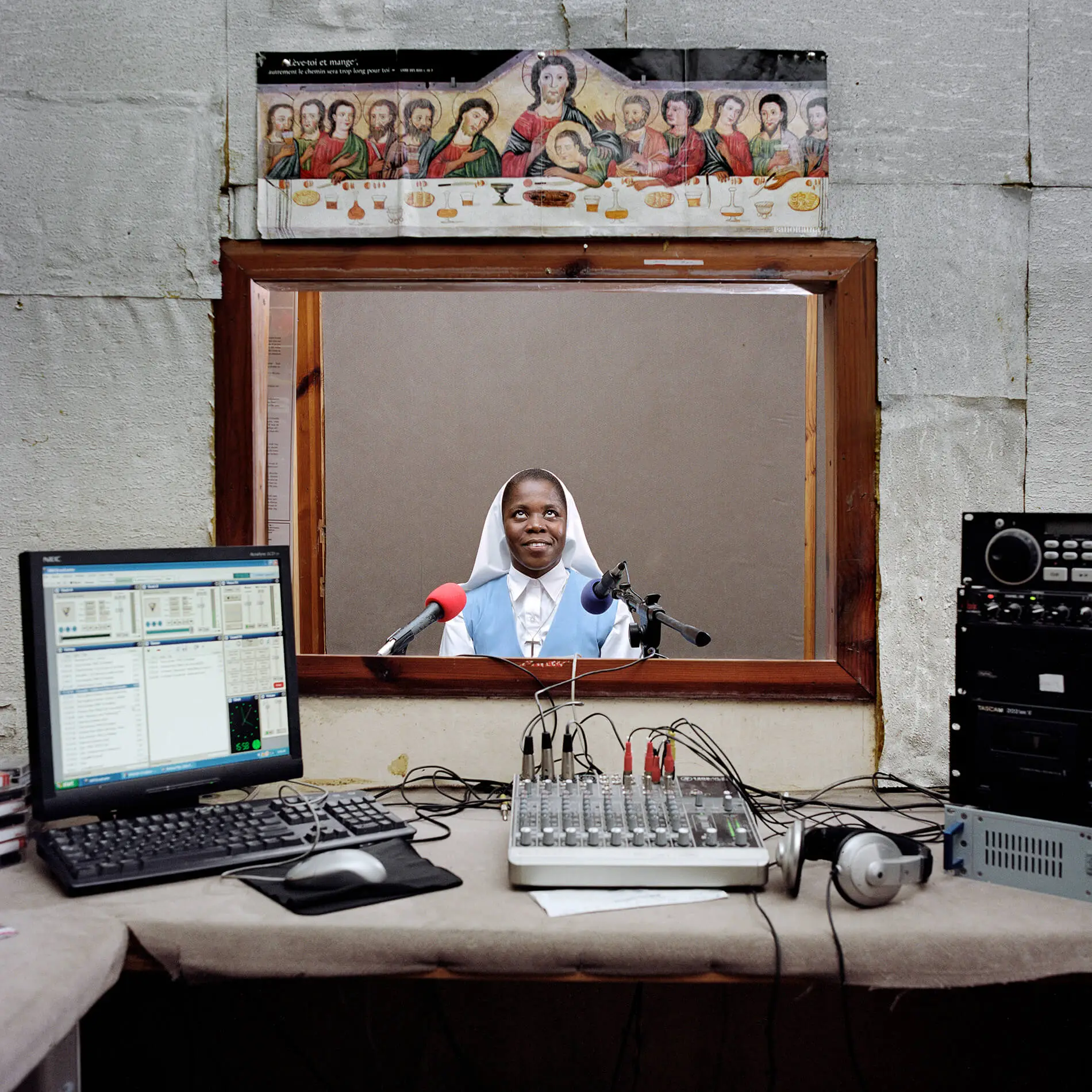
No, I don't believe so. The strength of photography lies in using its visual language effectively. A powerful image draws attention and creates curiosity. The goal is not to simplify reality but to engage the viewer, encouraging them to seek deeper understanding. Images and context work together—first you are drawn in visually, then you learn more through captions or explanations. This layered experience strengthens, rather than weakens, the impact.
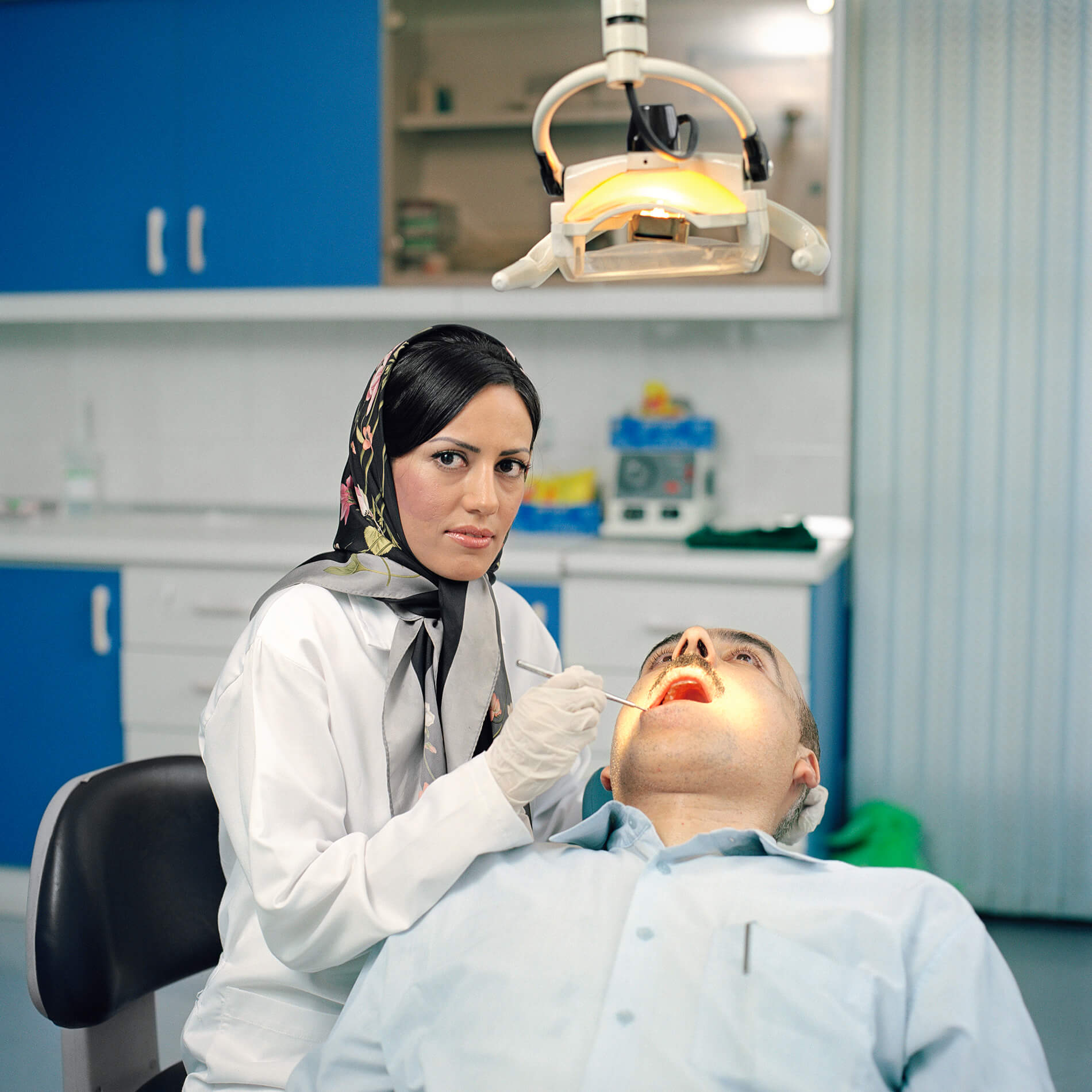
In The Heavens, the metaphor of "heaven" is used ironically. Could this risk normalizing or romanticizing the system rather than criticizing it?
The title itself plays on the dual meaning between "havens" (closed financial systems) and "heavens" (paradise). Since tax havens are visually invisible, we had to rely on metaphor and visual language inspired by financial institutions' own imagery—luxury, perfection, aspiration. However, when combined with context, these images create a critical perspective. Audience reactions showed that people often left the exhibition feeling angry, which indicates that the work successfully provoked reflection rather than romanticization.
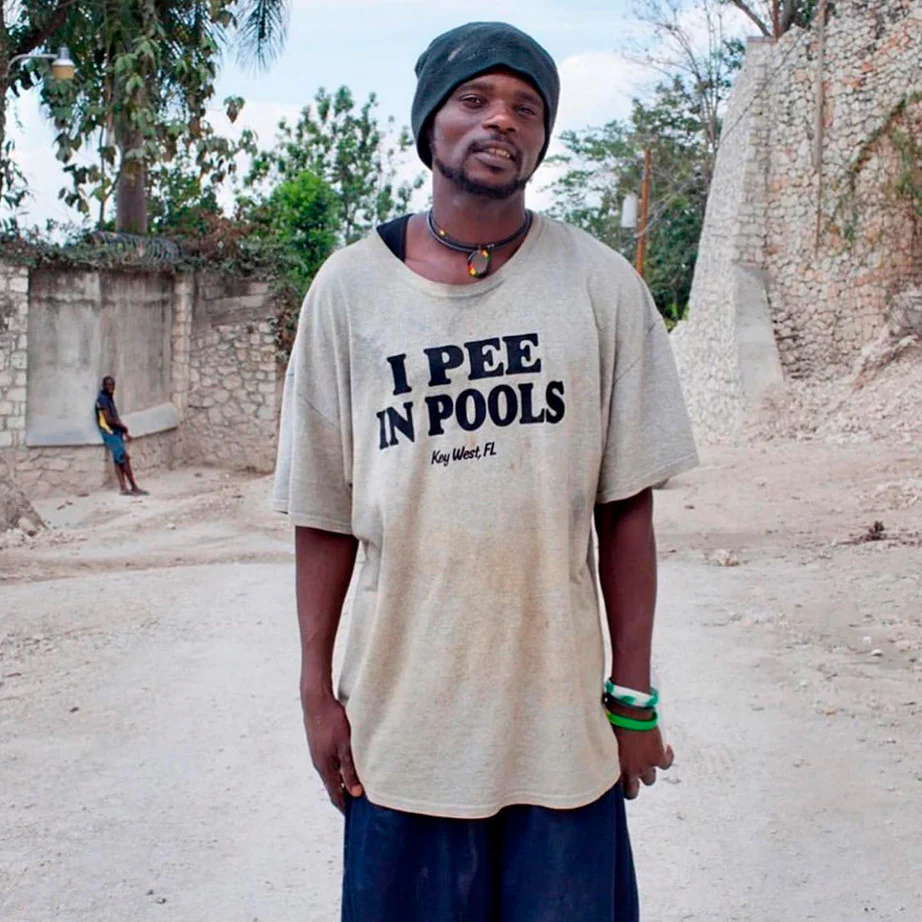
In a project like The Heavens, how possible is it to truly "show the invisible"? How do you approach this limitation?
This was the core challenge of the project. Often, there was literally nothing to photograph. The approach was to deeply research the system—reading extensively, speaking with experts—and then translate that understanding into visual metaphors. The goal was not direct representation, but creating layered images that communicate complex ideas indirectly.
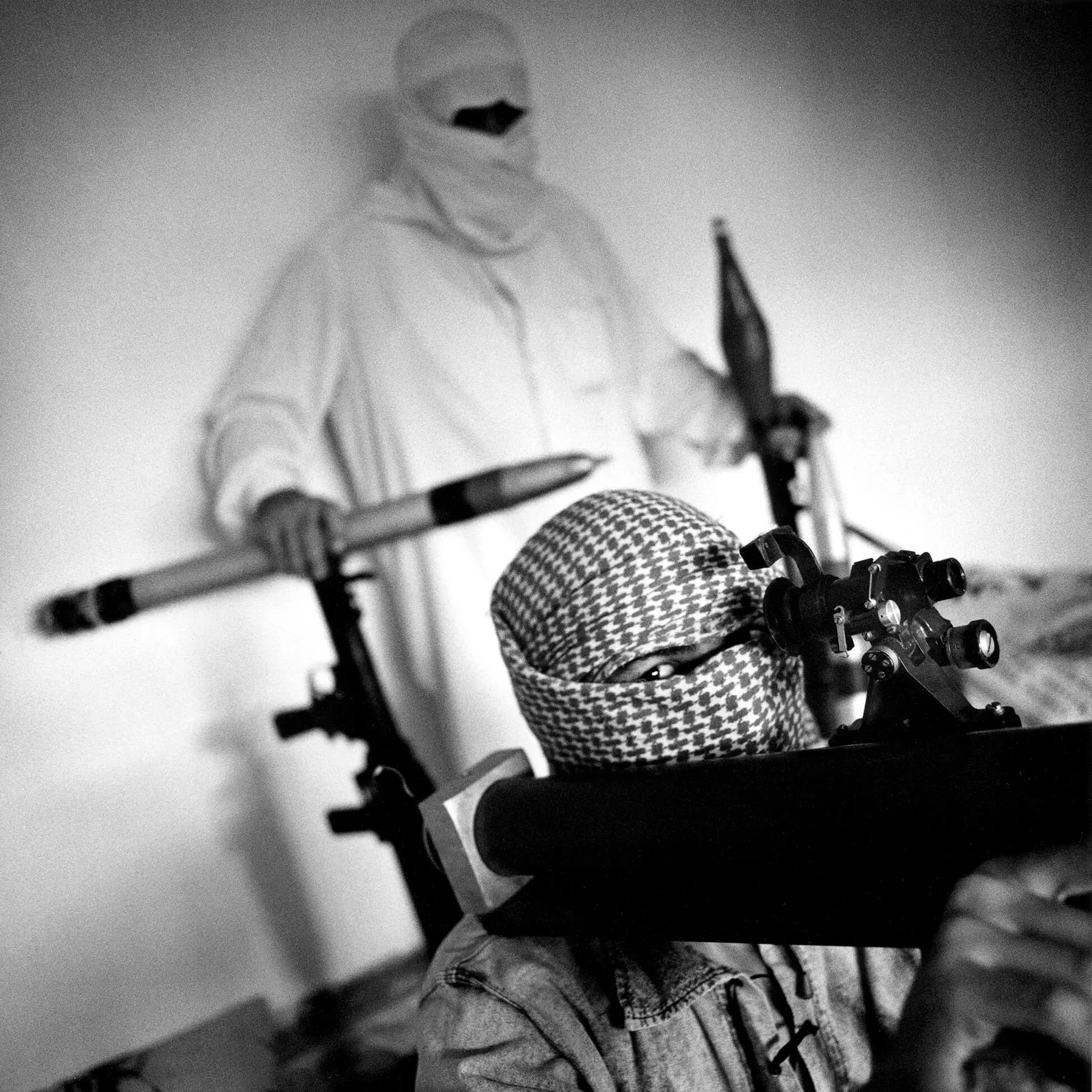
In The Heavens, you often choose empty, sterile, and "perfect" spaces — was this deliberate or aesthetic?
It was a conscious aesthetic decision. The aim was to create images that look attractive and even resemble corporate or financial visuals at first glance. This draws viewers in. Then, as they engage with the context, they realize the deeper, more critical message. This contrast between beauty and meaning is central to the project's impact.
- Happy Pills — Delpire, Paris 2022
- The Heavens — Delpire/Dewi Lewis, Paris-London 2014
- PEPE — Musée de l'Élysée, Lausanne 2013
- STATE — Photosynthèses, Arles 2013
- Marche sur mes yeux — Grasset, Paris 2010
- La Chinafrique — Grasset, Paris 2008
- American Chaos — Le Seuil, Paris 2004
- Un monde de brut — Le Seuil, Paris 2003