
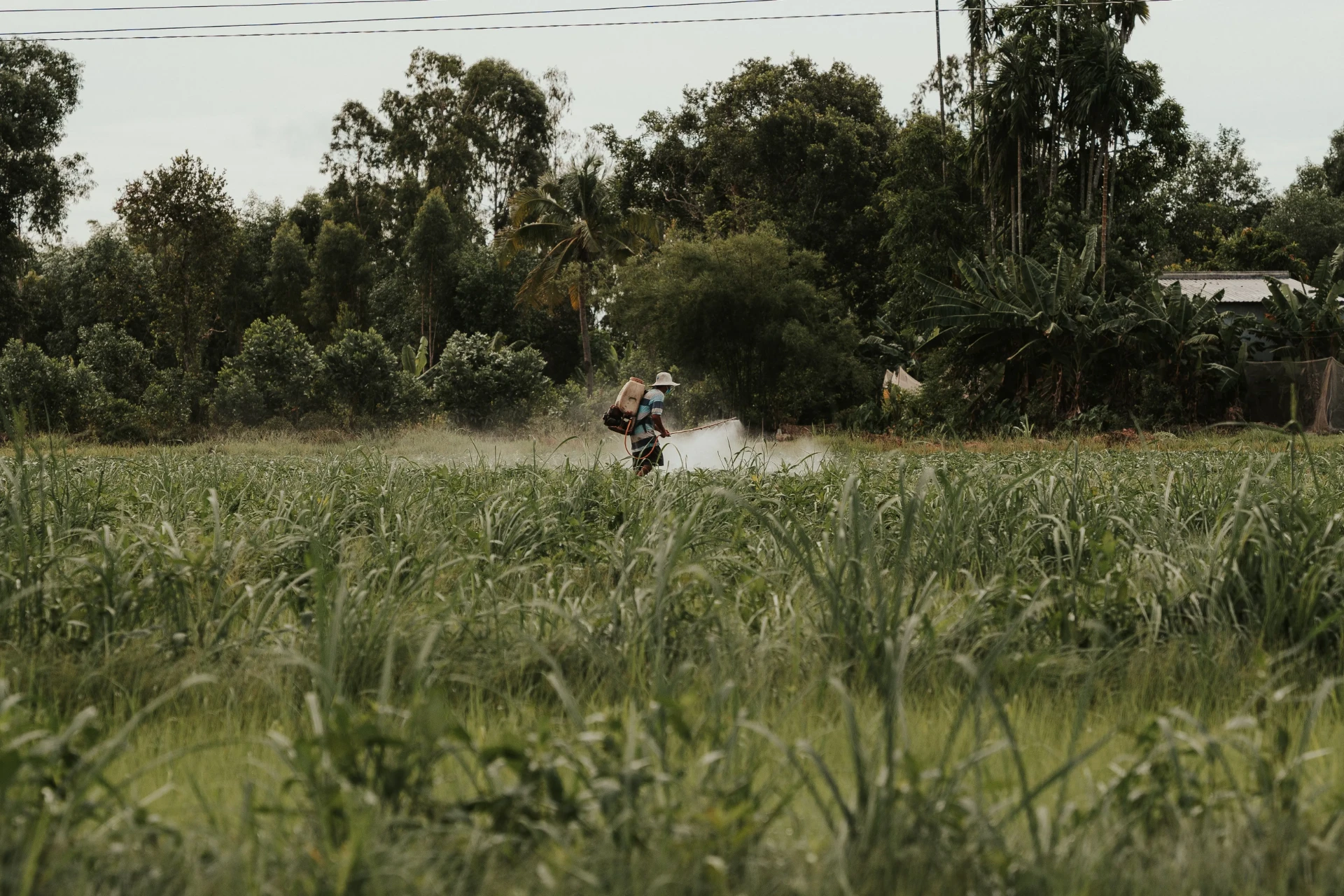
There is a question that regulatory systems in most countries have not yet learned to ask: not whether a pesticide is approved for use, but how much of it ends up in the body of the person applying it.
Anouk Petitpierre and Samuel Fuhrimann led the first pooled biomarker study comparing smallholder farmers across two tropical low- and middle-income countries — Costa Rica and Uganda — published in The Lancet Planetary Health in February 2026. They collected urine samples from 601 farmers at two points during the primary spraying season and tested for seven biomarkers of six commonly used pesticides. The answer to the basic question was unambiguous: nearly every farmer, in both countries, tested positive for nearly every pesticide.
The question was never whether exposure existed. It was what drives it — and what can actually reduce it.
Two countries. One body of evidence.
Costa Rica and Uganda look very different on paper. In Costa Rica, 11% of participants lived below the global poverty line; in Uganda, 78%. Costa Rican farmers applied pesticides more frequently and were better educated and better trained. Ugandan farmers were more likely to be women and more likely to be applying herbicides.
And yet the contamination pattern was strikingly consistent across both settings. Detection frequencies were close to 100% for nearly every biomarker in both countries, regardless of study visit. The pesticide was there. The question was always only how much.
What differed between countries was which pesticides dominated — and why. Uganda had higher fungicide and 2,4-D concentrations, linked to its crops and climate. Costa Rica had higher glyphosate and insecticide levels, linked to commercial farming intensity. The differences tell a story about agricultural systems. The similarities tell a story about what happens to the bodies inside those systems regardless.
What actually reduces exposure — and what doesn't
The study's most actionable findings concern which factors are associated with lower biomarker concentrations.
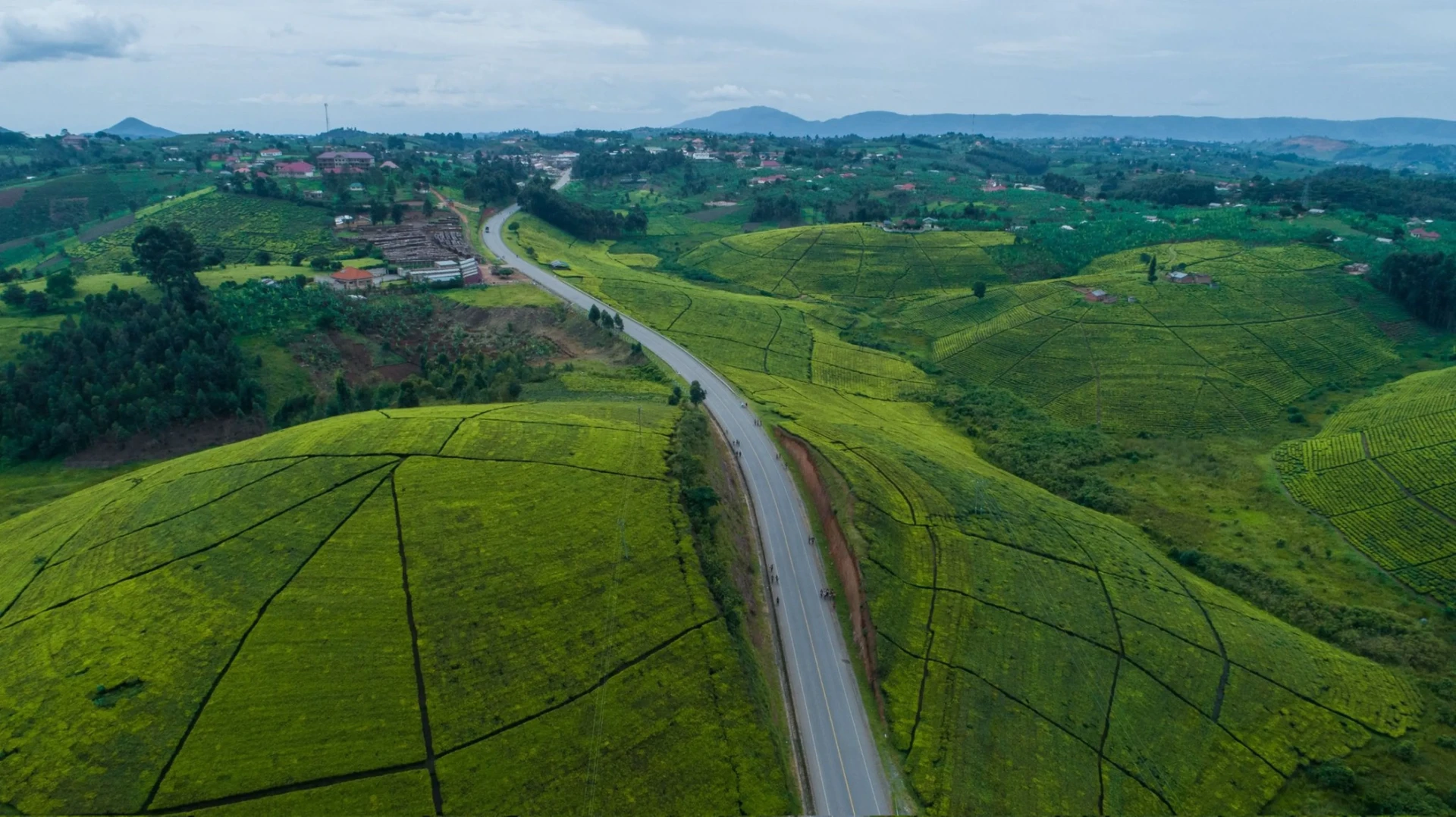
Organic farming reduced pesticide biomarkers by 24 to 68% depending on the pesticide type — the most consistent protective factor across both countries. Safety training reduced concentrations by 17 to 27%. Literacy, which correlates with education, also showed a protective association.
And then there is the finding that should reshape how training programs are designed: glove use didn't help. In some cases, it made things worse.
Farmers who reported using gloves during pesticide application had higher concentrations of diazinon — an organophosphate insecticide — than those who didn't. The researchers explain this carefully: during fieldwork, they observed that many farmers used gloves inconsistently, didn't wash them between uses, and didn't wash their hands after removing them. Gloves used incorrectly can become a surface for pesticide accumulation. The protective effect disappears. In some scenarios, it reverses.
This finding doesn't argue against gloves. It argues against the assumption that distributing protective equipment is the same as reducing exposure.
"Distributing protective equipment is not the same as protecting people."
The week before the sample
The single strongest driver of elevated biomarker concentrations — across all pesticide types, in both countries — was having applied pesticides within the previous week. Fungicide applications in the past week increased concentrations by 182 to 248%. Herbicide applications increased glyphosate by up to 314%. Insecticide applications increased concentrations by 37 to 113%.
These are not chronic accumulation effects. They are acute exposure spikes. They happen during the work itself — during spraying season, during the ordinary activities of growing food.
What the monitoring gap means
This study exists because the monitoring gap does.
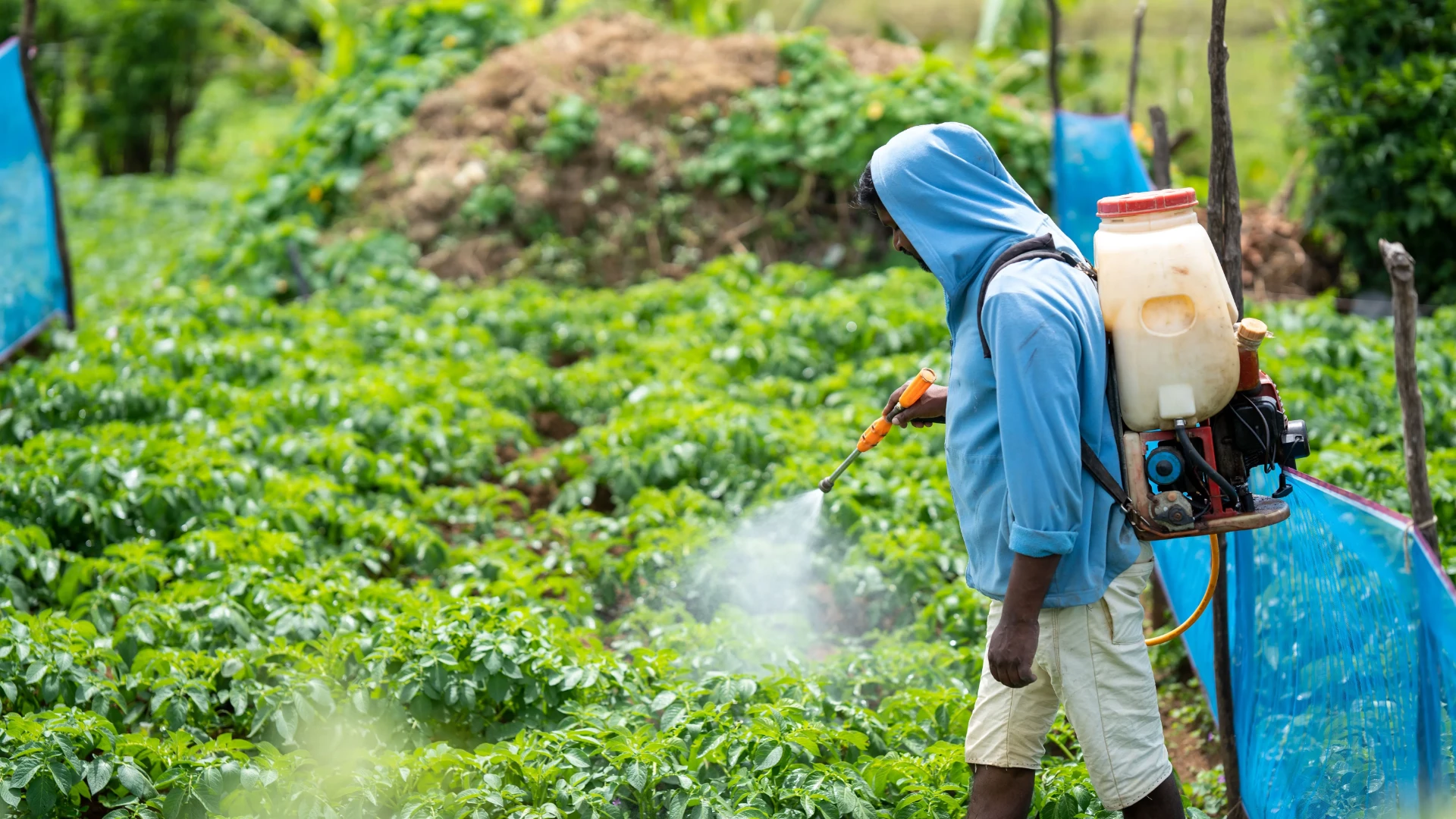
In high-income countries, occupational pesticide exposure is tracked through workplace health surveillance systems, national biomonitoring programs, and mandatory reporting. In most low- and middle-income countries, this infrastructure either doesn't exist or functions at a fraction of its intended capacity. What enters the bodies of people who grow food for global markets is largely invisible to the institutions with the authority to regulate it.
Biomarker-based studies like this one are not just scientific contributions — they are gap-fillers. They produce the data that should be produced by systems that aren't producing it.
The researchers are direct about what follows: organic practices and safety training are not sufficient without structural support. Transition to organic farming requires grants, subsidized certification costs, access to markets. Safety training requires programs tailored to actual field conditions, not generic protocols designed for different contexts. Gloves require correct instruction, not just distribution.

Who is exposed
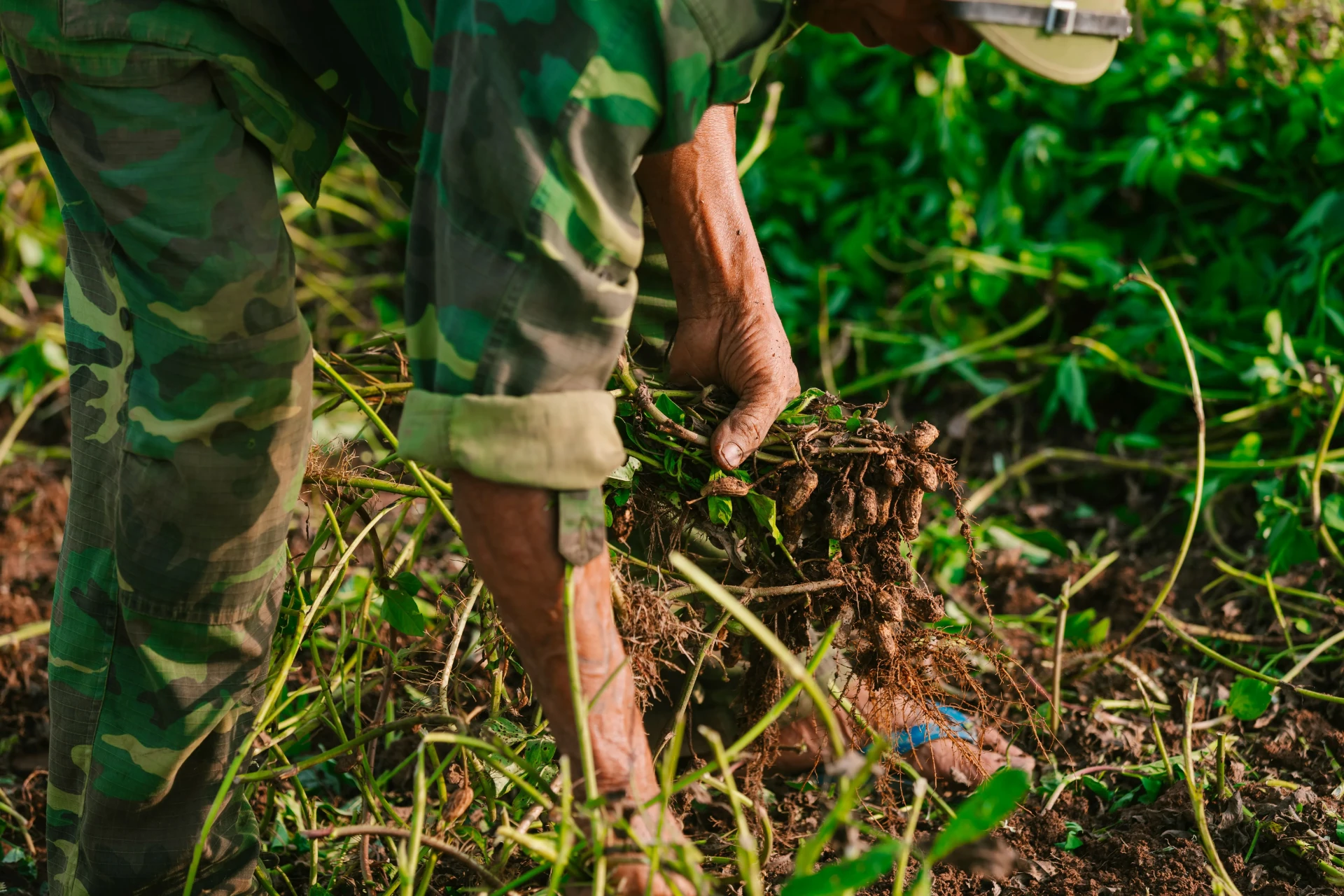
At the intersection of the study's two settings is a consistent sociodemographic pattern. Older farmers show higher concentrations — likely due to slower metabolism and longer cumulative exposure. Male farmers are more heavily exposed than female farmers in most biomarkers. Farm workers, as opposed to farm owners, show higher concentrations in Costa Rica. Farmers living below the poverty line, who have less access to training and equipment, show consistently higher exposure.
The people growing food at the base of global agricultural supply chains are the people most exposed to the chemicals that make that production possible — and the least protected by the systems designed to manage those chemicals' risks.
Source: Petitpierre A, Atuhaire A, Lindh CH, Mora AM, Röösli M, Staudacher P, Fuhrimann S. Pesticide exposure among organic and conventional smallholder farmers in Costa Rica and Uganda: biomarker evidence on exposure determinants. Lancet Planet Health. 2026;10:101415. DOI: 10.1016/j.lanplh.2025.101415. CC BY 4.0.
Read the full article