Nexus Catalyst
Sensing Possible Futures — On Anticipatory Infrastructures, Ethnography and Everyday Life
"Knowledge should no longer remain confined within ivory towers, dusty archives, or closed academic circles. Nexus Catalyst is a bridge designed to move theory out of abstract philosophy halls and into the heart of field action. This series connects the brightest minds from prestigious global research networks and intellectual hubs with tomorrow's 'Sentinel' candidates. Our goal is to merge rigorous interdisciplinary depth with the digital energy of young researchers, building a resilient 'Truth-Infrastructure' in the face of 'Data Silence.' Every dialogue featured here is more than an interview; it is a mental 'catalyst' designed to construct ecological and social justice."
Volume 4
Sarah Pink | Sensing Possible Futures
A conversation with Sarah Pink on anticipatory infrastructures, ethnographic ways of knowing, and the everyday worlds in which possible futures are being sensed, lived and contested. Interview by Ceren Bilacan.
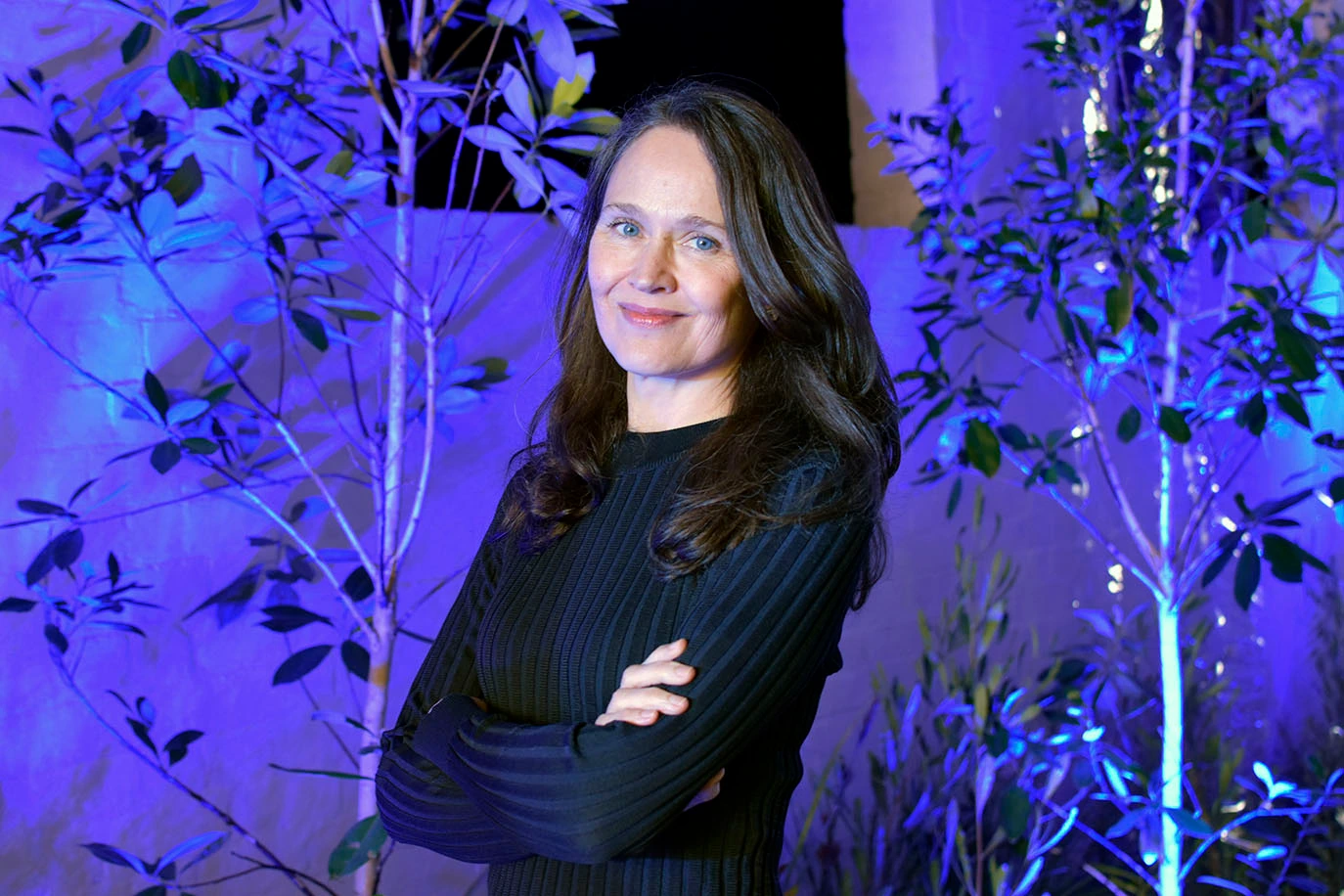
Sarah Pink
Design anthropologist, Director of the Emerging Technologies Research Lab
Sarah Pink is a leading design anthropologist whose work bridges ethnography, futures research, and emerging technologies. As Director of the Emerging Technologies Research Lab, her research investigates how people live with and anticipate technological, environmental and infrastructural change — from energy and automated mobility to smart homes and ageing in place. She is the author of numerous influential books on sensory ethnography, visual methods and design anthropology, and her work moves fluidly between academic publishing, documentary filmmaking, industry collaboration and public engagement.
Can you walk us through a specific moment in your fieldwork when attending to something non-visual — a smell, a sound, or a physical sensation — changed how you understood the way someone was living with infrastructure?
Answering this question depends on how you define infrastructure. I would define infrastructure broadly as something that supports, holds up and enables something else. My current interest is in what I call anticipatory infrastructures, that is things that enable and support particular ways of anticipating possible futures. So considering how to investigate through smell, sound or physical sensation in this context, then we could ask how the sensory affordances of anticipatory infrastructures enable us to anticipate possible futures. For instance, if someone was to anticipate how it would feel to live in 2050, they might sense a possible future city where traffic noise and smells were absent or different to the present — which would also mean that they were anticipating an electric vehicle future. But to achieve elements of such a future we would also need a powerful electric vehicle charging infrastructure, which our research undertaken by my colleagues and I at Emerging Technologies Research Lab indicates would involve people being able to charge electric vehicles easily at home or wirelessly when out. So when we sense a future city that feels, sounds and smells differently we are also sensing possible future life in a world supported by an as yet not available electrical charging infrastructure and clean energy infrastructure.
You've talked about film as a research tool, not just a way to communicate findings. But thinking about who actually ends up watching, who's still not in that room? And is that a problem with the format, or something deeper?
Film is an excellent medium for communicating research findings and arguments and for proposing possible futures and alternatives. But there are many genres of films, which are honed for different audiences. This means that while films may have unexpected audiences, and unexpected impact, very often the best audience for a film is the people who are already interested and engaged with the stories, questions, materials and more that it presents. When we make documentaries in Emerging Technologies Research Lab these questions are very much in mind — so for example our documentaries have been screened to energy and aged care sector audiences, to the automotive and homes sectors. They are of interest to people who design and plan for people, whether they are their customers, clients or others. Some of our documentaries are used in teaching. Other documentaries fulfill some of these roles but are also of wider interest to public audiences and have been screened on broadcast channels. In all of these cases I don't think we can worry too much about who is not in the room, but rather about who is and how they will engage with the work. There are different ways to reach different stakeholders, and while film is best in some contexts, in others it might be a keynote lecture or a carefully presented research report.
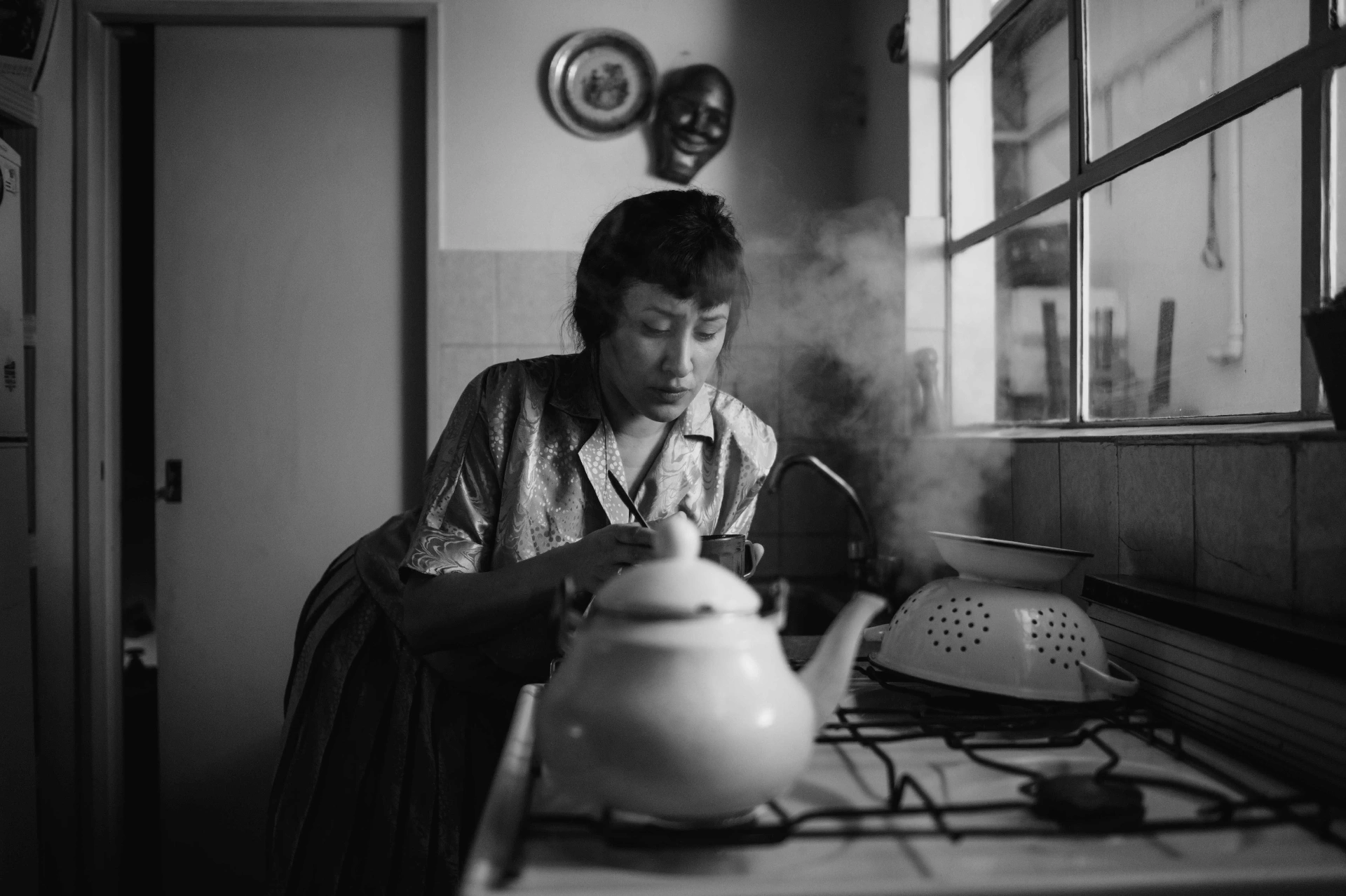
A lot of environmental policy conversation happens at the level of grids, systems, and big infrastructure. But you've done serious research in kitchens and laundry rooms. Why do those spaces matter — what are they telling us that the big-picture view misses?
Understanding everyday life and possible futures ground-up is a fundamental element of my research and filmmaking practice. Seeking to share what it feels like — sensorially and emotionally — to be in someone else's world with them is vital to understanding how change happens and how it is shaped by the values and priorities that participate in what people do in everyday life. There are literally billions of us, diversely situated, across the world all making micro, and bigger, decisions every second of the day — so of course the human feelings, values, ethics and relationships with other people, other species, and our living and material environments and media are absolutely important in shaping possible futures. There is therefore a deep need to create dialogue between what happens in these everyday worlds in the present and in possible futures, and environmental policy conversations. But this is also a challenge! Often the complexities of the everyday are difficult to align with the requirements of policy.
When official environmental data is absent or withheld — which is common in the Global South — what can ethnographic methods actually do about that?
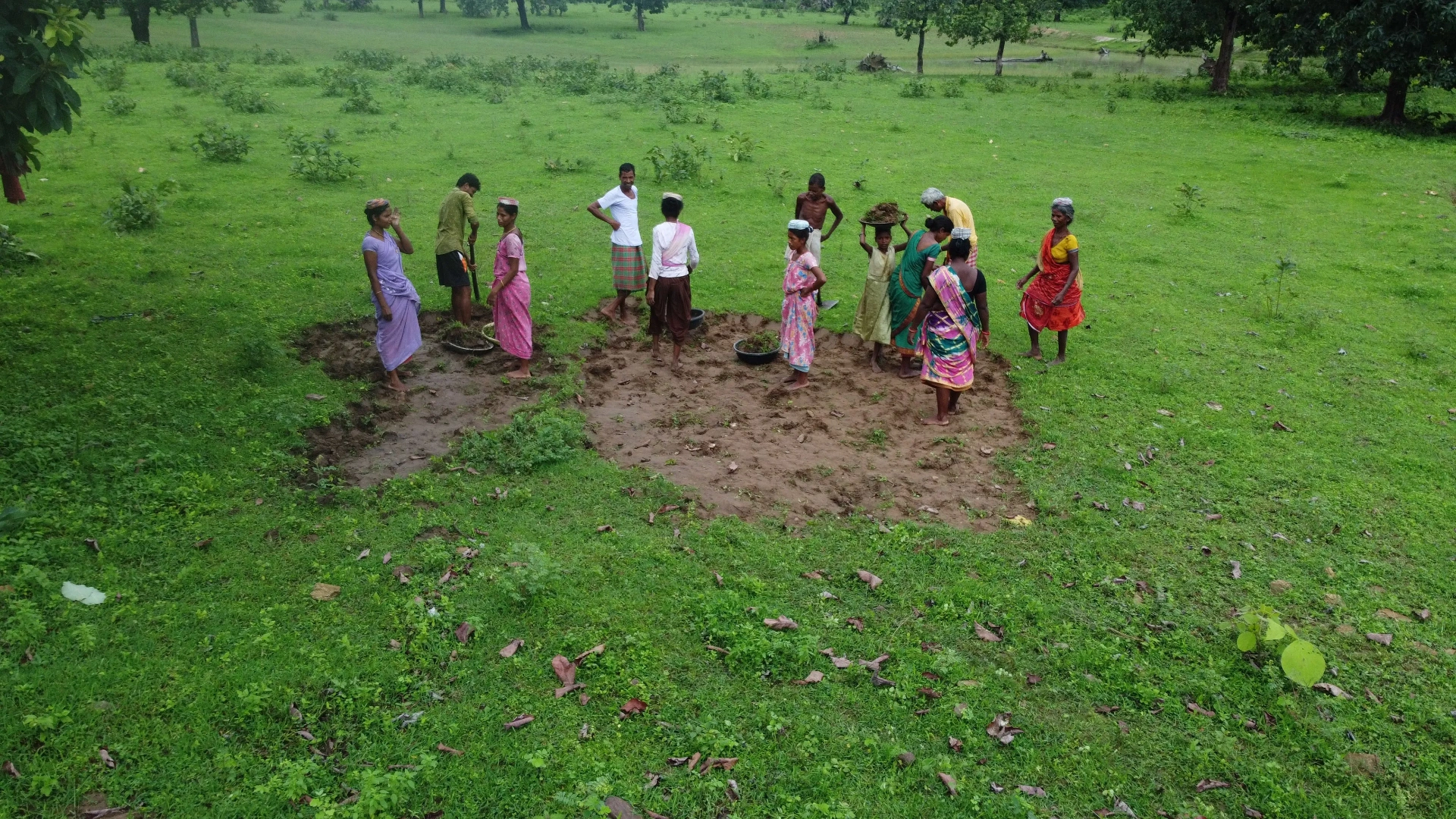
Ethnographic methods offer an alternative prism through which to understand and create knowledge about how people encounter, know and live in their environments, how change is experienced and the non-representational or non-measurement ways in which it becomes known and remembered. While official environmental data tends to be measurement based, everyday environmental knowledge is sensed and felt, it can be storied in various ways and shown in film. Here the challenge is to find ways to document, present and invite accountability to such knowledge in policy and industry agendas.
Has your research ever found a case where a technology genuinely didn't deepen existing inequalities — and what made that different? Or is that an exception you're still waiting to find?
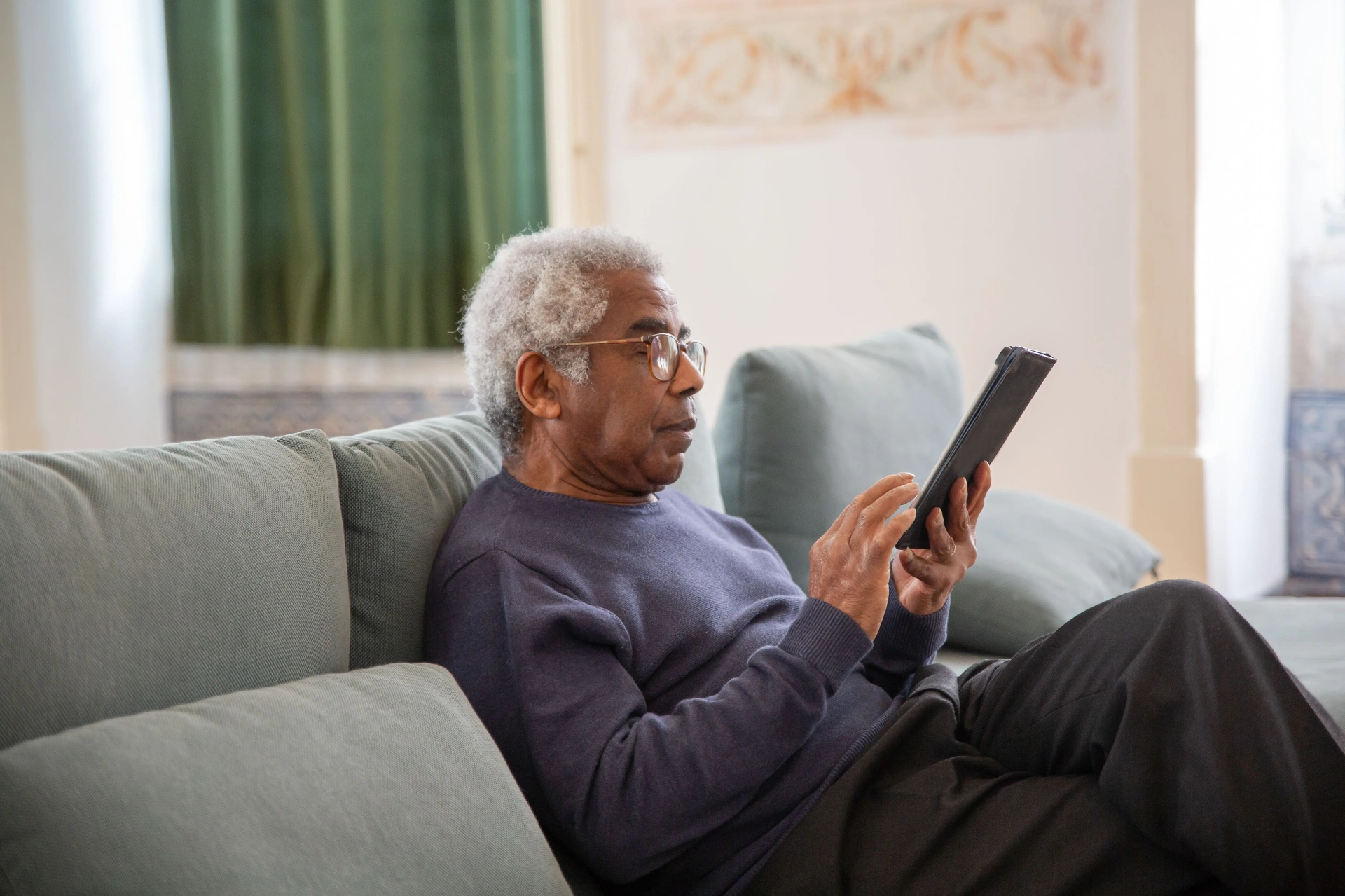
Another way to see this is to suggest that technology itself doesn't necessarily deepen existing inequalities, but rather it is the ways that technology is produced in our resource extractive world and the economic and power relations that govern its use and distribution which sustain and worsen inequalities. In the sense that the resource extractive nature of emerging technology development itself is part of a world of glaring inequalities, technology is always implicated in an unequal world. But when we turn to micro examples we can see situations where its everyday life applications can support improved inclusivity for particular groups of people. For example, our Emerging Technologies Research Lab research with older Australians who trialled smart home technologies found that these technologies were enabling for them, as they made their experience of still living in their own homes feel safer and more connected. But I appreciate that this problem should be addressed from different directions; I think it requires an interdisciplinary approach and intersectoral approach, where technologies are designed and applied for equalities and inclusivity.
Research influencing real decisions is something everyone talks about but rarely happens cleanly. Has there been a moment in your career where your work actually shifted something — a policy, a design, a practice? What did that look like?
I hope that some of my research has participated in enabling organisations to contribute to making change through their work, but I generally see my own role as removed from actually shifting policy, designs or practices. I have collaborated to do research with people or organisations who have used our work to seek to shift elements of policy, to design products. However I see my role as an academic as involving helping people and organisations to reconsider dominant narratives, to think differently, and to employ new methods and approaches. For example I gave a public lecture at Malmö University in Sweden this year — in April 2026 — where I focused on "Let's burst the foresight bubble together" — and the responses I received from both academics and people from the foresight community were so endorsing, as what I had articulated as an academic resonated across these different groups. So as an academic I might not be able to make the shift or change happen myself, but I can support and advocate for it. In that sense, going back to my response to your first question, perhaps it is my role to infrastructure shifts — through my writing, public speaking and filmmaking.