Nexus Catalyst
Facing Climate Anxiety, Funding the Transition — On Polluter Accountability, Clean Energy Economics and Emotional Alignment
"Knowledge should no longer remain confined within ivory towers, dusty archives, or closed academic circles. Nexus Catalyst is a bridge designed to move theory out of abstract philosophy halls and into the heart of field action. This series connects the brightest minds from prestigious global research networks and intellectual hubs with tomorrow's 'Sentinel' candidates. Our goal is to merge rigorous interdisciplinary depth with the digital energy of young researchers, building a resilient 'Truth-Infrastructure' in the face of 'Data Silence.' Every dialogue featured here is more than an interview; it is a mental 'catalyst' designed to construct ecological and social justice."
Volume 5
Ryan Hagen | Facing Climate Anxiety, Funding the Transition
A climate writer and advocate whose work bridges systemic accountability with the emotional realities of the climate crisis. In this dialogue, Ryan Hagen discusses polluter-pays accountability, the economics of clean energy, and why facing climate anxiety — rather than suppressing it — is the key to sustained action

Ryan Hagen
Climate writer, speaker, and founder of Crowdsourcing Sustainability
Ryan Hagen is the author of Your Guide to Climate Action and founder of Crowdsourcing Sustainability, a nonprofit whose newsletter reaches 180,000 readers across more than 150 countries. His work sits at the intersection of climate finance, systems change, and the emotional dimensions of the crisis — helping ordinary people locate their leverage in the transition, from personal footprint to spheres of influence to the funding structures underwriting the fossil economy.
→Your Guide to Climate Action (ryanhagen.earth)What project or idea has excited you the most recently?
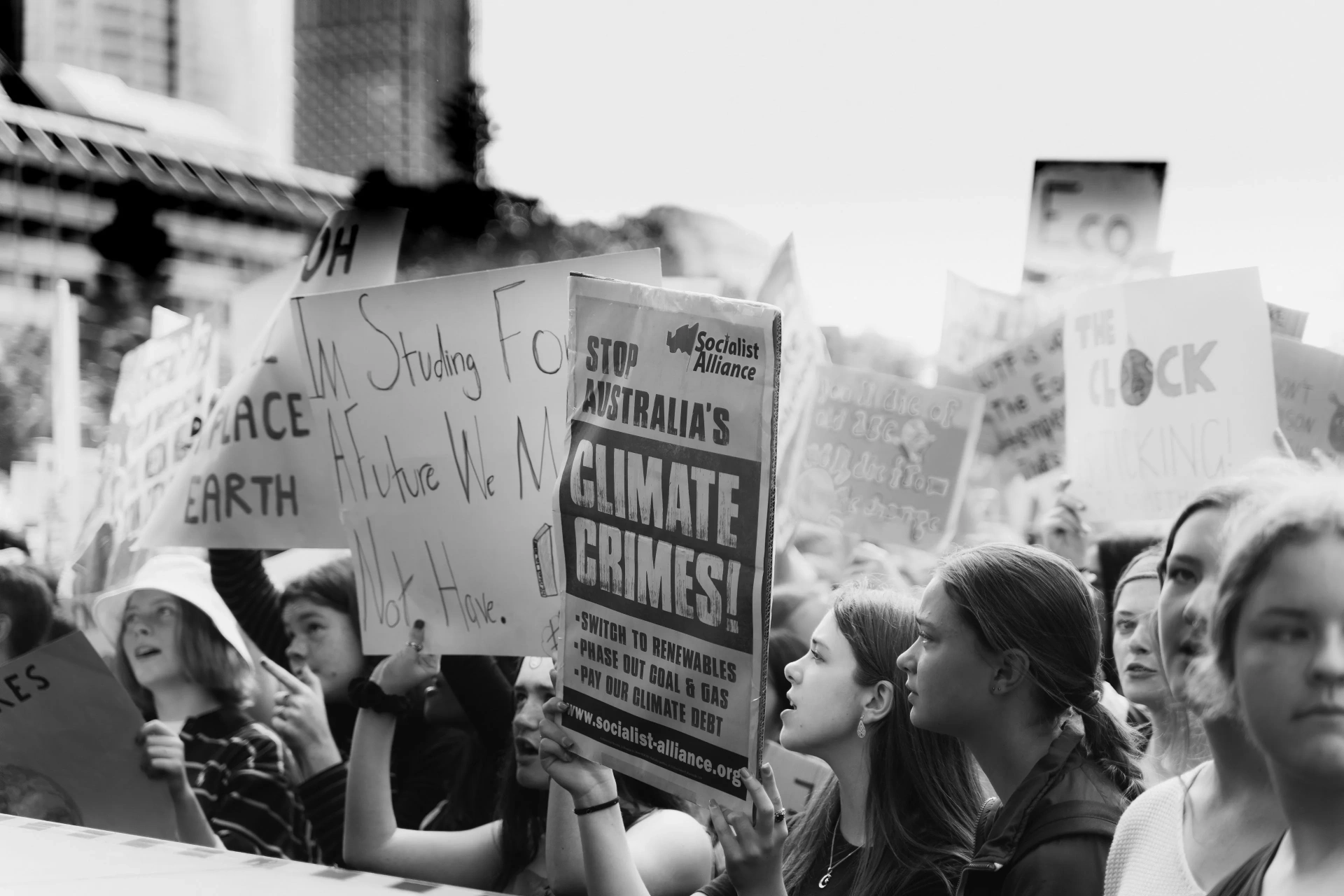
Even though it's still nascent here in the US, the push to make polluters pay for the damage they've caused is gaining traction. Massive fossil fuel companies like Exxon Mobil and Shell knew internally for decades how dangerous climate change would be, yet they intentionally lied to the public and captured politicians. At a time when we need massive funding for the green transition, forcing these companies to help pay for rebuilding climate-damaged communities and investing in solutions is incredibly exciting.
Which area of the climate sector do you believe will create the most economic value over the next 10 years?
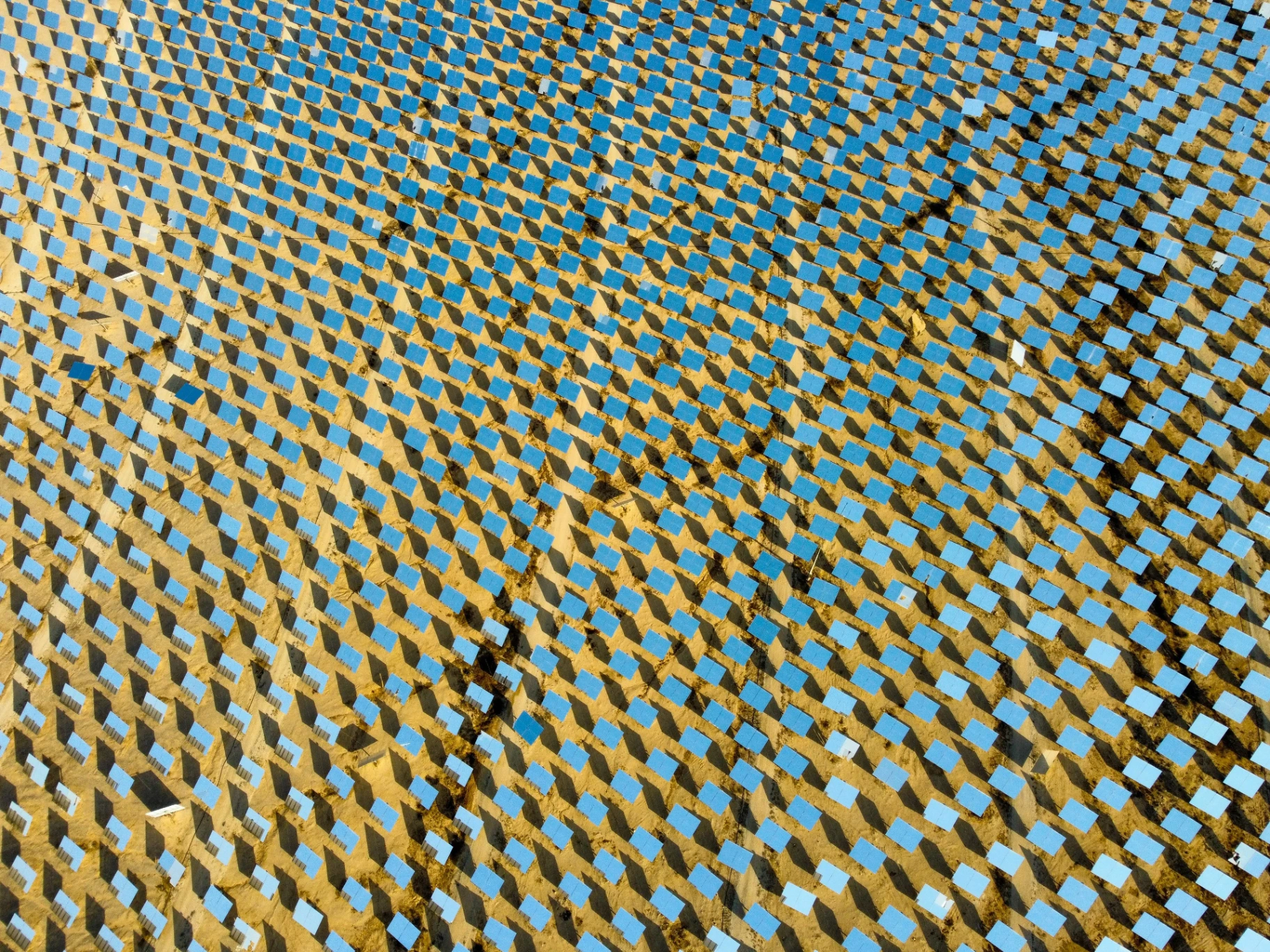
Clean electricity is massive. Last year, about 95% of new electricity added to the grid worldwide came from clean energy. This is only going to accelerate because it's cheaper, healthier, and more distributed. Moving off fossil fuels will dramatically reduce air pollution, leading to lower rates of cancer, heart disease, and lung disease. This shift will ultimately save trillions of dollars in healthcare costs.
Which parts of the climate sector do you think are currently overhyped?
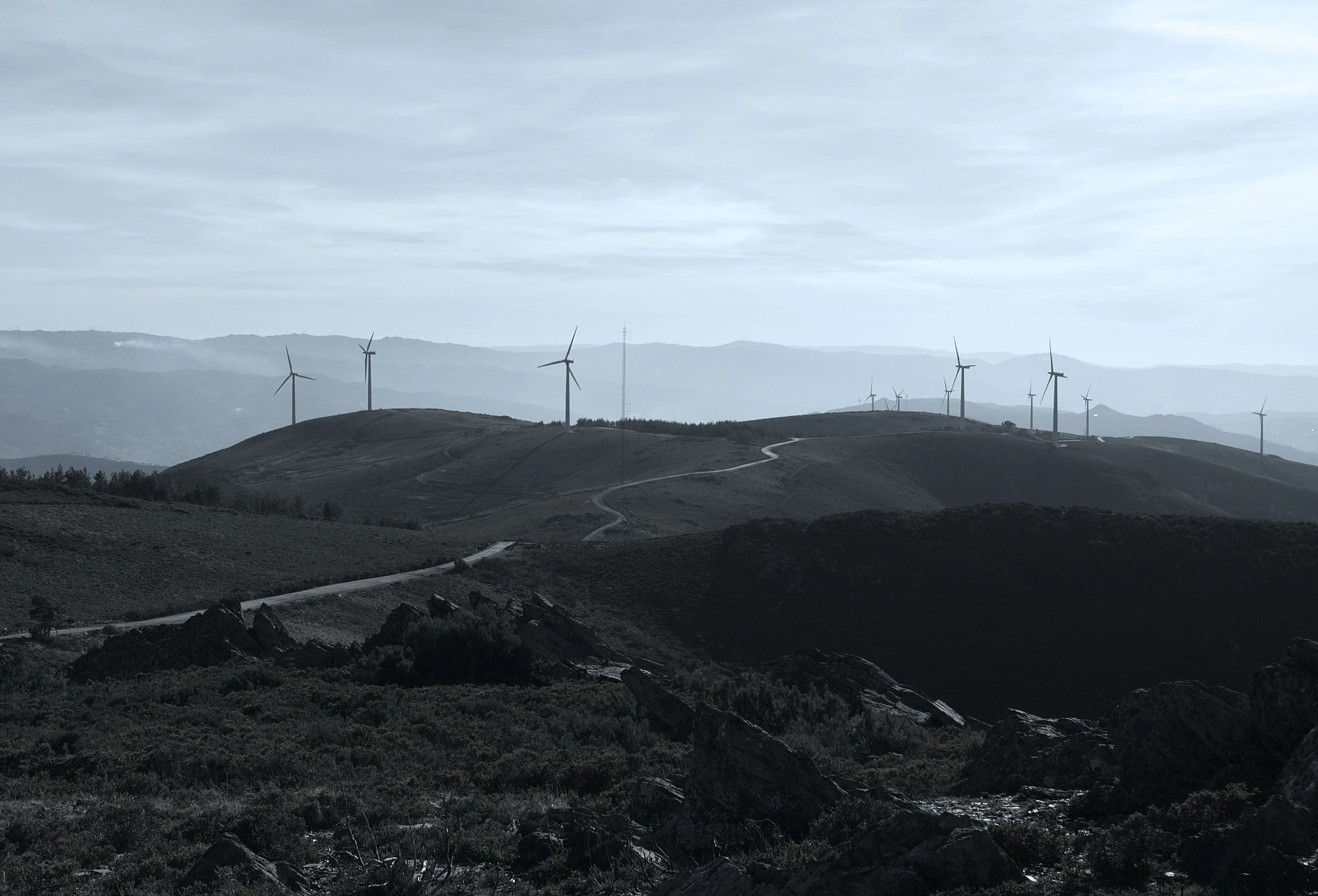
We are putting a bit too much time and energy into carbon offsets and especially carbon capture. While we should still research and invest in them, 90% to 95% of what we need to do right now is eliminating emissions at the source. The next 5 years matter a lot more than 15 years from now. We need to deploy existing technologies — like solar, wind, and heat pumps — as fast as humanly possible.
Do you believe sustainability is a realistic long-term goal, or has it become more of an ideal?
If it's not realistic, we are screwed. By definition, we must find a way to sustain ourselves in alignment with what the Earth's ecosystems can provide — food, water, clean air. While the corporate sector has co-opted the term "sustainability," we need to push further into "Regeneration." This means actively working with nature to restore and protect the systems we rely on so our species can thrive.

Where will AI have the biggest impact on the climate sector, and will its overall long-term impact be positive or negative given its growing energy demands?
Honestly, I don't know for sure, but I am a bit more nervous and scared about it than excited. Data centers have massive environmental impacts on air, water, and noise quality, and the communities where they are built rarely get a say. Right now, AI simply reflects the current priorities and values of society — which are not aligned with a sustainable world. It has an incredibly impressive power to help us if used right, but I hope we use it sparingly, build it safer, and focus it on things that actually matter to global well-being.
If you were managing a $100 million climate investment fund today, where would you make your first investment and why?
I would go right back to basic solar and batteries. They have downsides, but compared to the fossil fuel system they replace, they are far better. I'd look at the top 100 solutions from resources like Project Drawdown or Regenerative Intelligence to balance impact and ROI. Crucially, I would target smaller-scale, less-established community projects that desperately need the funding and might not happen at all without that investment.

In your book, you emphasize moving beyond our personal footprint to change larger systems. As an intern just starting out, it's easy to feel incredibly small compared to corporations or governments. Where should someone in my position practically start?
That is an amazing question. In my book, I have a specific chapter on "Finding Your Place in the Climate Movement" to help figure this out. Two frameworks are incredibly useful: Dr. Ayana Johnson's Climate Venn Diagram: Draw three overlapping circles — What brings you joy?, What are you good at?, and What is the work that needs doing? Find the exact sweet spot where your strengths and passions meet global climate needs. Spheres of Influence: While it's easy to feel overwhelmed as one person, we all belong to mid-level systems — schools, companies, local communities — where we hold relational power. By organizing with others within these spaces, you can actively steer their policies and investments. The Scale Example: My personal carbon footprint is about 7 tons of CO2 annually. The first company I worked for emitted 15,000–20,000 tons. The city of Burlington emits 480,000 tons, Vermont emits 8 million, and the multinational corporation that bought my old company emits 70 million tons. Targeting and organizing within these larger systems yields a vastly superior impact compared to just adjusting your personal footprint.
Final Takeaway
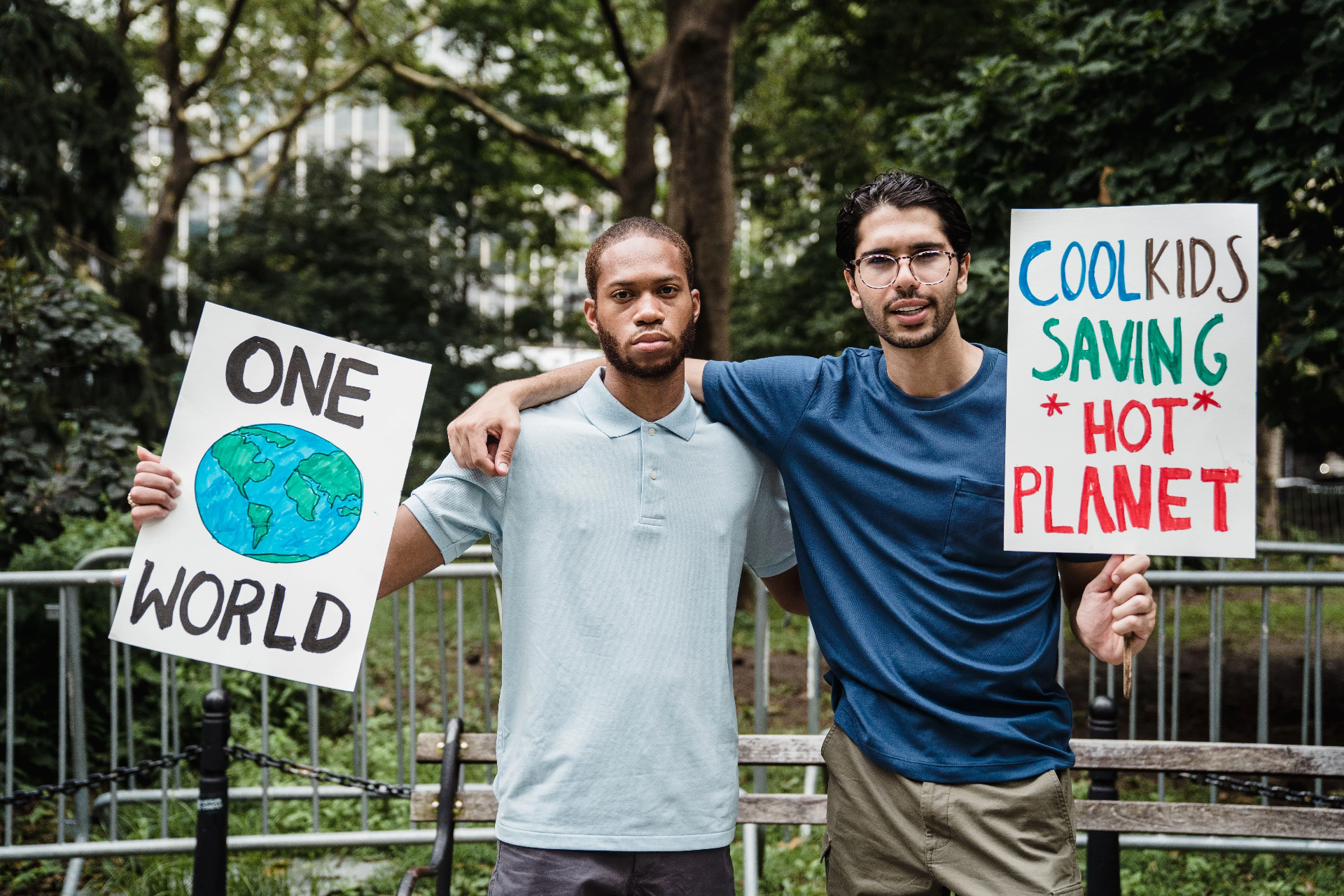
We like to think we are purely rational, but humans are deeply emotional beings. A majority of people worldwide experience climate anxiety, despair, grief, and anger. While suppressing these emotions or looking away helps us get through the day, it's incredibly unhealthy in the long run. Anxiety is an evolutionary survival tool — it's your internal alarm system telling you something is wrong. We need to face these feelings, name them, and welcome them. When you trace why you are anxious, it's always because you deeply care about something — whether it's the people you love, future generations, or natural places. Facing these emotions frees up the massive energy it takes to suppress them, and that energy can then be channeled directly into taking action. Once you act, the brain recognizes you are trying to help, and the anxiety naturally reduces. If we only treat climate change as a rational problem of emissions, systemic change won't happen fast enough; emotional alignment is the ultimate key to unlocking mass action.